Your cart is currently empty!
Blog
-
Mastering Data-Driven Personalization in Email Campaigns: From Data Collection to Advanced Optimization 05.11.2025
Implementing effective data-driven personalization in email marketing requires a meticulous, technically grounded approach that transcends basic segmentation. To truly leverage data for delivering relevant, timely, and impactful content, marketers must develop a comprehensive, step-by-step framework that addresses data acquisition, advanced segmentation, algorithm development, scalable content creation, automation, and continuous optimization. This deep-dive provides expert-level insights into each stage, offering concrete, actionable strategies to elevate personalization efforts beyond conventional practices.
Table of Contents
- 1. Understanding and Setting Up Data Collection for Personalization in Email Campaigns
- 2. Segmenting Audience Data for Precise Personalization
- 3. Developing Personalization Algorithms and Models
- 4. Crafting Personalized Content at Scale
- 5. Automating and Triggering Personalized Email Flows
- 6. Monitoring, Analyzing, and Optimizing Personalization Effectiveness
- 7. Troubleshooting Common Implementation Challenges
- 8. Case Study: Implementing a Fully Data-Driven Personalized Campaign
1. Understanding and Setting Up Data Collection for Personalization in Email Campaigns
a) Identifying Key Data Points: Demographics, Behavioral, Transactional Data
A successful personalization strategy starts with precise data identification. Go beyond surface-level demographics and incorporate behavioral signals such as website interactions, email engagement history, and mobile app activity. Transactional data, including purchase history, cart abandonment, and product preferences, offers crucial insights for predictive personalization. Use a data audit framework to list all available data sources, then prioritize data points based on their predictive power and ease of collection.
b) Implementing Data Capture Methods: Web Forms, Tracking Pixels, CRM Integration
For robust data collection, deploy multi-channel capture mechanisms. Use dynamic web forms with progressive profiling—collect minimal data initially, then progressively request more. Embed tracking pixels into your website and emails to monitor user behavior in real time, capturing page views, clicks, and conversions. Integrate your CRM with your ESP (Email Service Provider) via APIs to synchronize transactional and profile data seamlessly. Implement event tracking on key user actions using tools like Google Tag Manager or custom JavaScript, feeding data into your central database.
c) Ensuring Data Privacy and Compliance: GDPR, CCPA, Opt-in Strategies
Compliance is non-negotiable. Implement explicit opt-in processes with clear consent statements aligned with GDPR and CCPA requirements. Use tools like double opt-in email confirmations and granular preference centers allowing users to control data sharing. Maintain detailed audit logs of user consents and data processing activities. Employ data anonymization techniques where possible, and ensure your data storage and processing follow best security practices, including encryption and access controls.
2. Segmenting Audience Data for Precise Personalization
a) Defining Segmentation Criteria: Purchase History, Engagement Level, Demographics
Implement a multi-dimensional segmentation framework that combines static attributes (demographics like age, location, gender) with dynamic signals (recent engagement, lifetime value, browsing patterns). For example, create segments such as “High-Value Recent Shoppers” or “Engaged New Subscribers.” Use SQL queries or segmentation tools within your ESP to define these slices precisely, ensuring each segment is actionable with tailored messaging.
b) Automating Segmentation Processes: Using Marketing Automation Tools
Leverage automation platforms like HubSpot, Marketo, or Klaviyo that support dynamic segmentation. Set up rules and triggers that automatically update segments based on real-time data—e.g., when a customer’s purchase frequency exceeds a threshold, move them to a “Loyal Customers” segment. Use APIs to connect your data warehouse to your ESP, enabling real-time segment updates and reducing manual effort.
c) Maintaining and Updating Segments: Handling Data Decay, Dynamic Segmentation
Establish routines for segment hygiene: set expiration dates for engagement-based segments to prevent data decay, and implement periodic re-evaluation scripts. Use data pipelines with tools like Apache Airflow to refresh segments daily or weekly. Incorporate machine learning models that predict segment shifts based on behavioral trends, ensuring your segments remain relevant and accurate.
3. Developing Personalization Algorithms and Models
a) Choosing the Right Algorithm: Rule-based, Collaborative Filtering, Machine Learning Models
Select algorithms aligned with your data complexity and personalization goals. Simple rule-based systems are effective for straightforward cases—e.g., “if purchase > $500, recommend high-end products.” For more nuanced recommendations, implement collaborative filtering—leveraging user similarity matrices to suggest items based on similar users’ behaviors. For advanced personalization, deploy machine learning models like gradient boosting or deep neural networks trained on historical data to predict the likelihood of engagement or purchase, enabling highly tailored content.
b) Building Predictive Models: Step-by-step Guide to Train and Validate Models
- Data Preparation: Aggregate historical user data, normalize features, and handle missing values.
- Feature Engineering: Create derived features like recency, frequency, monetary value (RFM), and behavioral scores.
- Model Selection: Choose algorithms such as XGBoost for classification tasks (e.g., likelihood to purchase).
- Training: Split data into training and validation sets; optimize hyperparameters via grid search or Bayesian optimization.
- Validation: Use metrics like ROC-AUC for classification, RMSE for regression, and conduct cross-validation.
- Deployment: Export model as a REST API endpoint, ensuring low latency for real-time inference.
c) Integrating Models into Email Platforms: API Setup, Real-time Data Feeding
Develop a middleware layer—using frameworks like Flask or FastAPI—that receives user context (e.g., current browsing session, recent purchases) via API calls from your ESP. The middleware queries your predictive model, retrieves personalized recommendations or scores, and injects these dynamically into email content using personalization tokens or dynamic blocks. Ensure your data pipeline supports real-time data updates, minimizing latency (<100ms) to keep recommendations fresh and relevant during email dispatch.
4. Crafting Personalized Content at Scale
a) Dynamic Content Blocks: Creating and Managing Personalized Sections
Design modular email templates with placeholders for dynamic content, such as product recommendations, personalized greetings, or location-specific offers. Use your ESP’s dynamic content functionality—e.g., AMP for Email or Liquid templates—to conditionally display sections based on user segment or real-time data. Implement fallback content for segments with incomplete data to maintain email integrity.
b) Personalization Tokens and Variables: Implementation and Best Practices
Use placeholder tokens (e.g.,
{{first_name}},{{recommended_products}}) that are populated dynamically at send time. Standardize token naming conventions and maintain a central mapping registry. For complex personalization, embed JSON objects within tokens and parse them client-side with JavaScript in AMP emails to deliver richer experiences. Test token rendering across devices and email clients to prevent broken layouts.c) A/B Testing for Personalization Variations: Designing Experiments and Measuring Success
Design rigorous experiments by isolating variables—e.g., testing different recommendation algorithms or content layouts—using split testing frameworks within your ESP. Define clear KPIs (click-through rate, conversion rate) and ensure statistically significant sample sizes. Use multi-variate testing if you want to evaluate combinations of personalization tactics. Analyze results with confidence intervals and implement winner variations to continuously refine personalization tactics.
5. Automating and Triggering Personalized Email Flows
a) Setting Up Behavioral Triggers: Cart Abandonment, Browsing Behavior, Milestone Events
Use event-driven automation platforms to set precise triggers. For example, when a user leaves items in their cart for more than 30 minutes, automatically initiate an abandoned cart email with personalized product suggestions derived from their browsing history. Implement serverless functions (e.g., AWS Lambda) to process real-time data streams—via Kafka or Kinesis—and push trigger signals to your ESP, ensuring near-instantaneous activation of campaigns.
b) Designing Multi-stage Campaigns: From Initial Contact to Follow-up Sequences
Develop multi-touch journeys that adapt based on user response. Use a state machine approach—initial email with personalized offers, followed by reminder emails if no engagement occurs, and finally, retargeting based on recent activity. Incorporate conditional logic within your ESP or marketing automation tool to branch flows dynamically, using real-time data to customize each step.
c) Ensuring Real-time Personalization: Technical Requirements and Latency Considerations
Achieving true real-time personalization demands optimized backend infrastructure. Use in-memory databases like Redis or Memcached to cache user profiles and model outputs for rapid access. Ensure your APIs are designed for low latency (<100ms), deploying geographically distributed servers if necessary. Implement fallback mechanisms—such as static content or last-known preferences—to handle API failures gracefully, preventing user experience degradation.
6. Monitoring, Analyzing, and Optimizing Personalization Effectiveness
a) Tracking Key Metrics: Open Rates, Click-through Rates, Conversion Rates per Segment
Implement detailed analytics dashboards using tools like Google Analytics, Tableau, or custom BI solutions to segment performance metrics by audience slices. Use UTM parameters and event tracking scripts to attribute conversions accurately. Set up automated alerts for performance drops—e.g., a 10% decrease in CTR within a specific segment—to prompt rapid analysis and adjustment.
b) Analyzing Personalization Impact: Attribution Models and ROI Calculations
Apply multi-touch attribution models—such as linear, time decay, or data-driven attribution—to assess the contribution of personalized emails toward conversions. Calculate ROI by comparing incremental revenue generated by personalized campaigns against their costs, including data infrastructure and algorithm development. Use cohort analysis to evaluate long-term effects of personalization on customer lifetime value.
c) Iterative Refinement: Using Data Insights to Improve Personalization Strategies
Establish feedback loops where analytics inform model retraining, segmentation updates, and content adjustments. Use A/B testing results to refine recommendation algorithms and content layout. Incorporate user feedback surveys and qualitative data to identify personalization fatigue or overfitting issues, iteratively enhancing your models and workflows.
7. Troubleshooting Common Implementation Challenges
a) Data Silos and Integration Issues: Solutions and Best Practices
Adopt a unified data platform—such as a data lake or warehouse (e.g., Snowflake, BigQuery)—to centralize customer data. Use ETL tools (e.g., Fivetran, Stitch) to automate data ingestion from disparate sources. Implement API gateways to facilitate seamless integration between your data repositories and ESPs, minimizing data latency and synchronization errors.
b) Personalization Fatigue: Avoiding Over-Personalization Pitfalls
Over-personalization can lead to privacy concerns and user fatigue. Limit the frequency of personalized messages, diversify content to avoid repetitiveness, and give users control over their personalization preferences. Use frequency capping and relevance scoring to maintain a healthy balance between personalization depth and user comfort.
c) Ensuring Consistency Across Channels: Synchronizing Email with Other Touchpoints
Implement a customer data platform (CDP) that unifies user profiles across email, website, mobile app, and social media. Use real-time data synchronization APIs to keep all channels updated with the latest user preferences and behaviors. Design your content strategy with consistent messaging and branding, leveraging shared data tokens and personalization models to create a seamless cross-channel experience.
-
How Symbols Drive Engagement in Interactive Experiences #2
Symbols are fundamental components of interactive experiences, serving as visual, auditory, or tactile cues that communicate meaning, evoke emotions, and guide user behavior. From digital interfaces to physical installations, symbols create a bridge between the user and the experience, fostering deeper engagement and emotional connections. Understanding how symbols influence user psychology and designing them effectively can transform ordinary interactions into memorable journeys.
Table of Contents
- Introduction to Symbols in Interactive Experiences
- Theoretical Foundations of Symbolism and Engagement
- Types of Symbols Used in Interactive Contexts
- How Symbols Enhance User Experience and Retention
- Case Study: Symbols in Modern Gaming Experiences
- Symbols as Drivers of Emotional and Motivational Responses
- Advanced Design Strategies for Effective Symbol Use
- Innovative Examples of Symbols in Interactive Experiences
- Future Trends in Symbolic Engagement
- Conclusion: Harnessing the Power of Symbols to Foster Deeper Engagement
1. Introduction to Symbols in Interactive Experiences
a. Definition and role of symbols in digital and physical interactivity
Symbols are representations—visual, auditory, or tactile—that convey meaning beyond their immediate appearance. In digital interfaces, icons and motifs serve as shortcuts for functions or concepts, such as a magnifying glass representing search. In physical environments, symbols like signage or haptic cues guide behaviors and indicate safety or status. Their primary role is to facilitate communication, reduce cognitive load, and create intuitive interactions.
b. The psychological impact of symbols on user engagement
Research indicates that symbols activate specific cognitive and emotional responses. For example, universally recognized symbols like a thumbs-up evoke feelings of approval and trust, prompting users to engage more confidently. The familiarity of symbols reduces uncertainty, increases motivation to explore, and enhances overall user satisfaction.
c. Overview of how symbols create meaning and emotional connection
Symbols serve as carriers of cultural and personal meaning, enabling users to relate to an experience on an emotional level. When designed thoughtfully, symbols can trigger nostalgia, curiosity, or excitement, transforming simple interactions into emotionally rich experiences. This emotional resonance fosters loyalty and encourages ongoing engagement.
2. Theoretical Foundations of Symbolism and Engagement
a. Cognitive theories explaining symbol recognition and response
Cognitive load theory suggests that well-designed symbols simplify complex information, making decision-making quicker and more efficient. Dual coding theory posits that combining visual symbols with verbal cues enhances memory retention and comprehension. These theories underpin why effective symbolism improves user engagement by reducing mental effort.
b. Emotional and cultural influences on symbol perception
Cultural context heavily influences how symbols are perceived. For example, a red color may signify danger in some cultures but luck in others. Emotional responses are shaped by personal and collective experiences, making it crucial for designers to consider cultural sensitivities to prevent misinterpretation and foster positive associations.
c. The importance of consistency and familiarity in symbol design
Consistency in symbol use reinforces recognition and trust. For instance, recurring motifs or icons across an experience strengthen brand identity and help users navigate seamlessly. Familiar symbols are processed more rapidly, leading to smoother interactions and sustained engagement.
3. Types of Symbols Used in Interactive Contexts
a. Visual symbols: icons, images, and motifs
Visual symbols are the most common in digital interfaces—buttons, icons, and thematic images that guide user actions. For example, a shopping cart icon universally signals e-commerce actions, reducing cognitive effort and accelerating decision-making.
b. Auditory symbols: sounds and musical cues
Auditory symbols include chimes, alerts, or thematic sounds that reinforce actions or signify events. For example, the iconic ‘ding’ of a successful transaction in online platforms enhances user satisfaction and confirms actions.
c. Tactile and kinesthetic symbols: haptic feedback and gestures
Tactile cues like vibration or force feedback provide physical responses to user actions, heightening immersion. Gestures, such as swipe or pinch, serve as kinesthetic symbols that enable intuitive navigation in mobile and VR environments.
4. How Symbols Enhance User Experience and Retention
a. Simplifying complex information through symbolic representation
Complex data, such as statistical reports or menus, can be condensed into visual icons or infographics. This simplification allows users to grasp concepts quickly, reducing frustration and encouraging continued interaction.
b. Facilitating quicker decision-making and navigation
Recognizable symbols act as cognitive shortcuts, enabling users to make choices swiftly. For example, thematic icons in gaming interfaces or navigation menus streamline gameplay and browsing, keeping users engaged longer.
c. Building brand identity and loyalty via recurring symbols
Consistent use of symbols fosters brand recognition. Think of the Apple logo or the PlayStation symbols—these recurring visual cues evoke loyalty and emotional attachment, driving repeat engagement.
5. Case Study: Symbols in Modern Gaming Experiences
a. The role of symbolic mechanics in engaging players
Video games leverage symbolism for mechanics—power-ups, health bars, or thematic icons—that communicate states or actions instantly. These symbols contribute to immersive gameplay and strategic depth.
b. Example: Pirots 4’s space and pirate themes and their symbolic significance
In Pirots 4, thematic symbols like space ships, pirates, and treasure chests serve as visual anchors that reinforce the game’s narrative. These symbols evoke curiosity and nostalgia, motivating players to explore further.
c. The impact of cascading symbols and themed icons on game flow
Cascading mechanics, where symbols fall and form combinations, create a dynamic visual rhythm. Themed icons, aligned with the storyline, enhance coherence and sustain excitement, leading to longer play sessions.
6. Symbols as Drivers of Emotional and Motivational Responses
a. Using symbols to evoke excitement, curiosity, and nostalgia
Colors, motifs, and familiar icons trigger emotional reactions. Retro symbols evoke nostalgia, while bright, energetic visuals stimulate excitement. Effective use of symbols taps into users’ emotional reservoirs, deepening engagement.
b. Symbols that trigger reward pathways and reinforce engagement
Reward icons, such as trophies or stars, activate neural pathways associated with pleasure. Incorporating these symbols in reward systems encourages continued interaction and achievement pursuit.
c. The strategic use of symbols in bonus features and special events
Symbols like shining icons or animated motifs highlight bonus rounds, creating anticipation and excitement. For example, special event icons in Pirots 4 signify limited-time opportunities, motivating players to participate.
7. Advanced Design Strategies for Effective Symbol Use
a. Balancing simplicity and richness in symbol design
Designers must find a harmony where symbols are recognizable yet engaging. Overly complex icons can confuse, while overly simplistic ones may lack depth. Iterative testing ensures optimal clarity and appeal.
b. Cultural considerations and avoiding misinterpretation
Cultural sensitivity is vital. For instance, the thumbs-up gesture is positive in Western cultures but offensive elsewhere. Incorporating culturally neutral symbols or localized variants enhances global engagement.
c. Dynamic and adaptive symbols to enhance interactivity
Adaptive symbols change based on user behavior or context, maintaining relevance. For example, in adaptive gaming interfaces, icons evolve to reflect progress, keeping the experience fresh and engaging.
8. Innovative Examples of Symbols in Interactive Experiences
a. The X-iter system: paid entry and symbolic representation of value and risk
In certain gaming platforms, the X-iter system uses symbolic cues—like tokens or icons representing risk and reward—to communicate the stakes involved. Such symbols help players assess their choices intuitively.
b. Collector birds in Pirots 4: symbols as progress markers and thematic elements
Collector birds serve as visual progress indicators, encouraging players to gather and complete sets, reinforcing the game’s theme while providing clear goals.
c. Integrating symbols with cascading mechanics to sustain excitement
Combining cascading symbols with themed icons maintains visual interest and strategic complexity, ensuring players remain engaged through continuous action and anticipation.
9. Future Trends in Symbolic Engagement
a. Augmented and virtual reality: new frontiers for symbolic interaction
AR and VR open possibilities for immersive symbols—holographic icons or tactile cues—that respond to user movements, creating more natural and engaging interactions.
b. Personalization and adaptive symbolism based on user behavior
Data-driven customization allows symbols to evolve according to individual preferences, boosting relevance and emotional investment.
c. Cross-platform symbolism and seamless experience design
Consistent symbolic language across devices ensures continuity, enabling users to transition smoothly between physical and digital realms, enhancing engagement.
10. Conclusion: Harnessing the Power of Symbols to Foster Deeper Engagement
“Effective symbolism transforms simple interactions into emotionally resonant experiences, driving user loyalty and ongoing engagement.”
Symbols are more than mere icons—they are powerful tools that, when thoughtfully designed and strategically implemented, can profoundly influence user perception, emotion, and behavior. As interactive experiences evolve with technological advancements like augmented reality and adaptive interfaces, the role of symbols will only grow in importance. Designers and developers should focus on creating meaningful, culturally sensitive, and dynamic symbols that resonate with users, fostering deeper connections and sustained engagement.
For those interested in exploring innovative ways to incorporate symbols into their projects, consider how thematic icons and visual cues can enhance narrative and gameplay—much like how modern gaming titles, such as pirots 4 bonus code, utilize symbolic mechanics to deepen immersion and motivate players. Embracing these strategies ensures your interactive experiences remain compelling and memorable.
-
Matemaattiset mallit ja suomalainen pelikulttuuri
Matemaattiset mallit ovat olennainen osa nykyaikaista pelisuunnittelua, ja niiden rooli korostuu erityisesti suomalaisessa pelikulttuurissa, jossa innovatiivisuus ja tekninen osaaminen yhdistyvät vahvasti. Suomessa peliteollisuus ei ole vain kasvava talouden sektori, vaan myös kansainvälisesti arvostettu tutkimus- ja kehitysympäristö, jossa matemaattisten mallien soveltaminen on edellytys monien menestystarinoiden takana. Tässä artikkelissa syvennymme siihen, kuinka matemaattiset mallit integroituvat suomalaisen pelikulttuurin eri osa-alueisiin, ja millaisia tulevaisuuden mahdollisuuksia ja haasteita tämä kehitys tuo mukanaan.
Sisällysluettelo
- Matemaattisten mallien soveltaminen suomalaisissa peligenreissä
- Suomalainen pelikulttuuri ja matemaattisten mallien yhteensovittaminen
- Matemaattisten mallien vaikutus pelien käyttäjäkokemukseen Suomessa
- Tulevaisuuden näkymät
- Yhteenveto
Matemaattisten mallien soveltaminen suomalaisissa peligenreissä
a. Strategia- ja roolipeleissä käytetyt matemaattiset mallit
Suomen pelikehittäjät ovat hyödyntäneet matemaattisia malleja erityisesti strategi- ja roolipeligenressä, jossa tasapainon ja pelimekaniikan tarkka hallinta on kriittistä. Esimerkiksi, eräät suomalaiset yritykset ovat kehittäneet älykkäitä algoritmeja, jotka simuloi pelaajan valintoja ja reaktiota, mahdollistaen entistä immersiivisemmät kokemukset. Näissä malleissa käytetään usein todennäköisyyslaskentaa ja dynaamisia järjestelmiä, jotka mahdollistavat pelin kehittymisen ja vaikeustason säätämisen reaaliajassa.
b. Urheilu- ja simulaatiopelien matemaattiset lähestymistavat
Suomalainen urheilu- ja simulaatiopelien kehitys hyödyntää laajasti matemaattisia malleja, kuten fysiikan yhtälöitä, tilastollista analytiikkaa ja optimointimenetelmiä. Esimerkiksi jääkiekko- ja lentopallosimulaatioissa käytetään kehittyneitä liikeyhtälöitä, jotka mallintavat pelaajien liikkeitä ja pallon tai kiekon fysiikkaa. Näin pelit tarjoavat realistisemman kokemuksen ja mahdollistavat strategisen analyysin, mikä on arvokasta myös ammattilaisten harjoittelussa.
c. Indie-pelien innovatiiviset matemaattiset ratkaisut Suomessa
Suomen indie-peliyhteisö on tunnettu kyvystään soveltaa matemaattisia malleja luovasti ja kekseliäästi. Monet pienemmät kehittäjät käyttävät esimerkiksi fraktaaleja, satunnaisuutta ja dynaamisia sääntöjä luodakseen uniikkeja pelikokemuksia ilman suuria resursseja. Tällaiset ratkaisut mahdollistavat pelien erottumisen massasta ja tarjoavat uusia näkökulmia pelisuunnitteluun, mikä on edistänyt suomalaisen indie-pelien kansainvälistä menestystä.
Suomalainen pelikulttuuri ja matemaattisten mallien yhteensovittaminen
a. Kulttuuriset tekijät pelisuunnittelussa ja matemaattisessa mallinnuksessa
Suomen vahva koulutusjärjestelmä ja teknologiaympäristö luovat pohjan matemaattisten mallien tehokkaalle hyödyntämiselle pelisuunnittelussa. Lisäksi suomalainen pelikulttuuri arvostaa tarkkuutta, innovatiivisuutta ja yhteisöllisyyttä, mikä näkyy myös matemaattisten ratkaisujen soveltamisessa. Esimerkiksi pelien tasapainottaminen vaatii usein yhteisön ja kehittäjien välistä vuoropuhelua, jossa matemaattiset mallit toimivat sillanrakentajina.
b. Kielen ja kulttuurin vaikutus matemaattisten ratkaisujen valintaan
Suomen kieli ja kulttuuriset piirteet vaikuttavat myös siihen, miten matemaattisia malleja sovelletaan. Esimerkiksi pelien tekstien ja käyttöliittymien lokalisaatio sekä kulttuuriset odotukset ohjaavat mallien soveltamista ja käyttäjäkokemuksen suunnittelua. Kielen tarkkuus ja minimalistinen tyyli suosivat selkeitä ja tehokkaita matemaattisia ratkaisuja, jotka eivät häiritse pelaajaa vaan tukevat immersiota.
c. Esimerkkejä suomalaisista peliprojekteista, joissa matemaattiset mallit ovat olleet keskiössä
Projekt Kuvaus Matemaattinen lähestymistapa Helsinki Game Labin kehitystyö Kehittyneet tasapainotusmekanismit strategiapelissä Dynaamiset optimointialgoritmit Reaktor Games Fysiikkapohjaiset simulaatiot Liike- ja törmäysmallit Supercell Moninpelien tasapainon ja strategian optimointi Tilastollinen analyysi ja koneoppiminen Matemaattisten mallien vaikutus pelien käyttäjäkokemukseen Suomessa
a. Pelien tasapainon ja oikeudenmukaisuuden varmistaminen matemaattisten mallien avulla
Suomalaiset kehittäjät käyttävät matemaattisia malleja varmistaakseen pelien tasapainon ja oikeudenmukaisuuden, mikä on keskeistä kilpailullisissa ja moninpelissä. Esimerkiksi algoritmien avulla voidaan säätää vastustajien vaikeustasoa tai tasapainottaa resurssien jakamista, mikä lisää pelaajien tyytyväisyyttä ja pelin uudelleenpelattavuutta.
b. Oppimispelien ja koulutuksellisten sovellusten matemaattinen tausta
Suomessa on myös panostettu oppimispelien kehittämiseen, joissa matemaattiset mallit mahdollistavat tehokkaan tiedon välittämisen ja käyttäjän oppimiskokemuksen. Esimerkiksi kognitiivisia prosesseja mallintavat algoritmit auttavat suunnittelemaan pelejä, jotka mukautuvat käyttäjän taitotasoon ja tukevat oppimista.
c. Pelaajakunnan käyttäytymisen analyysi ja mallinnus suomalaisesta näkökulmasta
Suomalaisten pelinkäyttäjien käyttäytymisen analyysi hyödyntää matemaattisia malleja, kuten tilastollista analytiikkaa ja koneoppimista, tarjoten syvällistä ymmärrystä pelaajaprofiileista ja suosituimmista pelityyleistä. Tämä tieto auttaa suunnittelemaan paremmin kohdennettuja sisältöjä ja parantamaan käyttäjäkokemusta, mikä on tärkeää kilpailussa kansainvälisillä markkinoilla.
Tulevaisuuden näkymät
a. Teknologian kehittyminen ja uudet matemaattiset lähestymistavat
Teknologian nopea kehitys avaa uusia mahdollisuuksia matemaattisten mallien soveltamiseen suomalaisessa pelisuunnittelussa. Esimerkiksi tekoälyn ja koneoppimisen integrointi mahdollistaa entistä älykkäämmät ja adaptiivisemmat pelit, jotka reagoivat pelaajan käyttäytymiseen reaaliajassa. Näiden mallien kehittäminen vaatii kuitenkin jatkuvaa tutkimusta ja innovointia.
b. Yhteistyö korkeakoulujen ja peliteollisuuden välillä
Suomen vahva akateeminen ympäristö tarjoaa erinomaiset puitteet matemaattisten mallien tutkimukselle ja soveltamiselle. Yhteistyö yliopistojen, tutkimuslaitosten ja peliteollisuuden välillä on avainasemassa uusien innovaatioiden synnyssä. Esimerkiksi pro gradu -työt ja tutkimushankkeet voivat edistää käytännön sovelluksia ja luoda uusia standardeja suomalaiselle pelinkehitykselle.
c. Mahdollisuudet ja haasteet suomalaisessa pelisuunnittelussa
Vaikka matemaattiset mallit tarjoavat runsaasti mahdollisuuksia pelien kehittämiseen, niiden soveltaminen kohtaa myös haasteita, kuten vaatimukset tekniselle osaamiselle ja datan saatavuudelle. Lisäksi kulttuuriset tekijät ja kuluttajien odotukset voivat vaikuttaa siihen, kuinka laajasti ja tehokkaasti malleja voidaan hyödyntää. Kuitenkin, suomalainen peliala on osoittanut kykynsä innovoida ja löytää ratkaisuja näihin haasteisiin.
Yhteenveto
a. Matemaattisten mallien merkitys ja vaikutus suomalaisen peligenren kehittymiseen
Matemaattiset mallit ovat keskeisessä asemassa suomalaisessa pelikulttuurissa, mahdollistavat pelien laadun ja tasapainon varmistamisen sekä luovat pohjan innovatiivisuudelle. Niiden avulla voidaan myös syventää ymmärrystä pelaajakunnan käyttäytymisestä ja kehittää entistä parempia oppimis- ja koulutussovelluksia.
b. Linkki aiempaan aiheeseen «Matemaattiset kaavat ja pelisuunnittelu Suomessa»
Tämä artikkeli rakentaa aiemman käsityksen matemaattisista kaavoista ja pelisuunnittelusta Suomessa, syventäen niiden roolia ja sovelluksia suomalaisessa pelikulttuurissa. Tulevaisuudessa matemaattiset mallit tulevat edelleen olemaan avaintekijöitä suomalaisen peliteollisuuden kehityksessä, yhdistäen tieteellisen tarkkuuden ja luovan innovoinnin.
-

Stylish and Functional Kitchen Accessories to Elevate Your Space

A kitchen isn’t just a place to cook meals; it’s the heart of your home. With the right tools and accessories, you can transform it into a stylish and functional space that works for you. From space-saving kitchen gadgets to great kitchen tools, this guide will show you how to create an organized and practical kitchen.
It will ensure everything has its place while still looking fabulous. Let’s explore how to organize kitchen spaces and discover the best kitchen accessories to elevate your cooking experience.
Must-Have Kitchen Accessories to Elevate Your Space
Functionality is key in any kitchen. Without proper organization, even the most beautiful kitchen can feel overwhelming. Thoughtfully chosen accessories make it easier to organize kitchens, keeping everything tidy and within reach. Here are a few that you need to have.
-
Stackable Storage Solutions
These are perfect for keeping your pantry organized. They save space, allow easy visibility of items, and reduce clutter. Whether you’re storing flour, pasta, or snacks, stackable containers are a must-have among the top 10 kitchen accessories.
-
Magnetic Knife Holders
Free up drawer space with a magnetic knife holder. These sleek tools keep your knives accessible and add a touch of modern style to your kitchen. They’re practical, efficient, and fall under the great kitchen tools category.
-
Pull-Out Shelves
Pull-out shelves maximize cabinet space and make it easy to access items stored in the back. These are ideal for heavy pots and pans, making them one of the best kitchen accessories for organizations.
-
Wall-Mounted Racks
Using vertical space is one of the best organize kitchen ideas for small kitchens. Wall-mounted racks are excellent for storing utensils, pots, or even spices, keeping them visible and accessible.
Stylish and Functional Accessories for an Organized Kitchen
An organized kitchen doesn’t have to be boring. Stylish, functional accessories like sleek utensil holders and glass jars can elevate your space. These tools not only improve efficiency but also enhance your kitchen’s aesthetic appeal. On that note, here are a few stylish accessories that you need for an organized kitchen.
-
-
Bamboo Utensil Holders
Bamboo adds warmth and elegance while being durable and eco-friendly. Use bamboo holders for cutlery or utensils to blend functionality with style.
-
Glass Jars for Pantry Items
Store dry goods like rice, beans, or snacks in clear glass jars. These jars make it easier to see what you have and contribute to a visually pleasing pantry.
-
Eco-Friendly Cutting Boards
Cutting boards made from bamboo or recycled materials are sustainable and attractive. They’re an excellent example of great kitchen supplies that enhance both function and aesthetics.
-
Reusable Silicone Storage Bags
Eliminate the need for single-use plastics with silicone bags. They’re durable, washable, and perfect for storing leftovers or freezing foods.
-
Collapsible Tools
Collapsible colanders, bowls, and measuring cups are perfect for tight spaces. When not in use, they fold flat for easy storage.
-
Compact Blenders
Smaller appliances are ideal for small kitchens. Compact blenders fit into cabinets, making them small equipment in kitchen setups that work without sacrificing utility.
-
Over-the-Door Organizers
Use the back of cabinet doors to store cleaning supplies or extra kitchen items. It’s a smart space-saving kitchen gadget for kitchens that need extra room.
-
How to Organize Kitchen Spaces Efficiently
Efficient organization is about creating systems that work for your space and habits. Begin by dividing your kitchen into zones: cooking, prepping, and cleaning. Store tools and ingredients in their respective zones. For example, keep spices near the stove and cutting boards near the prep area.
These simple tweaks can help you master how to organize kitchen spaces effectively. Here are some additional tips for organizing kitchens in a much better way:
- Use dividers in drawers to separate utensils.
- Store small appliances like blenders in cabinets to free up counter space.
- Label pantry containers to make finding ingredients easier.
- Use clear bins for items stored in deep cabinets.
- Keep a magnetic strip on the fridge for storing lightweight tools.
Combining style with functionality ensures your kitchen is both beautiful and practical. With the right organized kitchen ideas, you can maximize space, reduce stress, and enjoy a clutter-free cooking experience. Accessories like the best cooking equipment and stylish storage solutions make daily tasks more enjoyable.
Conclusion
A stylish and functional kitchen is within reach with the right accessories. From top 10 kitchen accessories to clever space-saving kitchen gadgets, every choice can make your kitchen more enjoyable to use. Thoughtful organization and smart tools are the keys to transforming your space.
Transform your kitchen into a stylish and functional space today! Explore Frugal’s collection of great kitchen tools, best kitchen accessories, and space-saving kitchen gadgets to bring organization and elegance to your home. Don’t wait—shop now and make every meal a breeze!
FAQs
- What are the best tools for small kitchens?
For small kitchens, look for space-saving kitchen gadgets like collapsible tools, pull-out shelves, and over-the-sink cutting boards. These tools maximize functionality without taking up extra space.
- How can I organize my kitchen quickly?
Start by decluttering and removing unused items. Divide your kitchen into zones and use how to organize kitchen strategies, like drawer dividers and labeled bins, to keep everything in its place.
- Are bamboo utensils worth it?
Yes! Bamboo utensils are durable, lightweight, and eco-friendly. They’re an excellent addition to your collection of best kitchen accessories and add a touch of natural style to your kitchen.
- How do I make my kitchen look stylish on a budget?
Incorporate great kitchen supplies like glass jars, bamboo holders, and tiered racks. These items are functional, affordable, and instantly elevate the look of your kitchen.
-
-

The Best Kitchen Accessories for Small Spaces

Living in a small space doesn’t mean compromising on functionality or style, especially in the kitchen. With the right accessories, even the tiniest kitchens can transform into efficient cooking spaces. By choosing items that combine practicality with thoughtful design, you can maximize every inch of your kitchen.
This guide highlights the top 10 kitchen accessories and ideas, including space-saving kitchen gadgets, to help you create an organized, efficient, and stylish kitchen, no matter the size.
10 Must-Have Accessories for Small Kitchens
Small kitchens often come with limited storage and counter space, making smart solutions essential. The right tools can reduce clutter, improve organization, and create a seamless cooking experience. Accessories designed for compact kitchens focus on multi-functionality, durability, and innovative designs like space-saving kitchen gadgets that simplify your cooking tasks. Here are 10 things you must have.
-
Stackable Storage Solutions
Stackable containers, jars, and bins are perfect for small kitchens. They save valuable space in cabinets and pantries while keeping items organized and easy to access. Opt for glass or bamboo containers for durability and a touch of sustainability.
-
Magnetic Strips
Free up drawer space by using magnetic strips to hold knives, scissors, or even spice jars. This simple solution keeps frequently used items within arm’s reach, adding convenience and reducing clutter. It’s a prime example of great kitchen tools for compact spaces.
-
Collapsible Tools
Collapsible tools, such as colanders, measuring cups, and mixing bowls, are ideal for small spaces. When not in use, they fold flat, saving room in your cabinets or drawers. These space-saving kitchen gadgets are a must-have for any compact kitchen.
-
Wall-Mounted Racks
Make use of vertical space with wall-mounted racks for pots, pans, or utensils. These racks are also great for holding small equipment in kitchen setups, keeping items accessible while saving precious counter space.
-
Pull-Out Drawers
Pull-out drawers for cabinets maximize hidden spaces and make it easier to access items stored at the back. Use them for heavy appliances, pantry goods, or cleaning supplies. They rank high among the best kitchen accessories for small spaces.
Sustainable Choices for Small Kitchens
Sustainability starts with small changes, and your kitchen is a great place to begin. Using sustainable cooking utensils reduces waste and encourages eco-friendly habits. Choosing accessories made from recycled or biodegradable materials benefits both your home and the planet.
Eco-Friendly Utensils
Choosing eco-friendly kitchenware for a sustainable home made from bamboo or recycled materials helps reduce waste while adding a natural look to your kitchen. These great kitchen supplies are lightweight, durable, and gentle on cookware.
Reusable Storage Bags
Ditch disposable plastic bags for reusable silicone storage bags. They’re perfect for storing snacks, freezing leftovers, or packing lunches, all while reducing single-use plastic waste.
Beeswax Wraps
Replace cling film with reusable beeswax wraps. They are not only sustainable but also versatile for wrapping food items or covering bowls.
Energy-Efficient Appliances
Compact appliances with energy-saving features are a great addition to small kitchens. They use less power while delivering excellent performance, aligning with the concept of best cooking equipment for eco-conscious households.
Creative Tips to Maximize Small Kitchens
Efficiency is the key to getting the most out of a small kitchen. Simple tweaks, like adding space saving kitchen gadgets or reorganizing drawers, can make all the difference. Every inch of your kitchen can become purposeful and clutter-free with the right choices. You should also follow the tips mentioned below.
Multi-Functional Tools
Opt for tools that serve more than one purpose, like a grater that doubles as a storage container or a cutting board with built-in measuring cups. These items help reduce clutter and improve efficiency, making them great kitchen tools for any setup.
Clear the Counters
Store appliances like toasters and blenders in cabinets to keep counters clear. This makes your kitchen look more spacious and organized, leaving room for essential small equipment in kitchen spaces.
Use Lighting to Your Advantage
Under-cabinet lighting can brighten up the workspace, making your kitchen feel larger and more inviting.
Benefits of Using Smart Kitchen Accessories
Smart kitchen accessories are problem-solvers. They help you save time, reduce stress, and create a more functional space. By investing in great kitchen tools and accessories, you’ll enjoy a clutter-free, streamlined cooking experience. Other benefits include the following.
-
Maximized Space
Every accessory is designed to save room, allowing you to store more without the mess. From space-saving kitchen gadgets to multi-functional tools, the possibilities are endless.
-
Improved Organization
Tools like tiered shelves and pull-out drawers ensure that everything has a place, making it easier to find what you need among your great kitchen supplies.
-
Sustainability
Using sustainable cooking utensils and accessories promotes eco-conscious living. They reduce waste and minimize the impact on the environment.
Conclusion
Small kitchens can shine with the right tools and accessories. By incorporating space-saving kitchen gadgets, eco-friendly kitchenware for a sustainable home, and innovative solutions, you can turn your compact kitchen into a functional and stylish space. Every choice you make contributes to a better-organized, more enjoyable cooking experience.
Take the first step toward a clutter-free and eco-friendly kitchen today! Discover Frugal’s thoughtfully curated collection of great kitchen tools, space-saving kitchen gadgets, and sustainable accessories. Turn your small kitchen into a haven of style and efficiency—shop now and make every inch count.
FAQs
- What are the best utensils for small kitchens?
Choose compact and eco-friendly kitchen utensils made from bamboo or stainless steel. They save space, are lightweight, and last longer than plastic alternatives.
- How can I reduce waste in a small kitchen?
Switch to environmentally friendly kitchen utensils, reusable storage bags, and compost bins for food scraps. Avoid single-use plastics and prioritize sustainable materials.
- Are collapsible kitchen tools worth it?
Yes, collapsible tools like colanders and mixing bowls are excellent for small kitchens. They save significant space and are easy to store when not in use.
- How do I make my small kitchen feel bigger?
Use vertical space with wall-mounted racks and tiered shelves. Keep counters clear by storing appliances in cabinets, and add under-cabinet lighting for a brighter feel.
- What is the most important accessory for small kitchens?
Pull-out drawers are essential for maximizing cabinet space and improving accessibility, especially for heavy appliances or pantry items.
-
-

Top 10 Must-Have Kitchen Accessories for Every Home Chef

Your kitchen is the heart of your home, and for every home chef, having the right tools can make all the difference. Whether you’re whipping up a quick breakfast or preparing a gourmet feast, efficient and effective accessories save time and effort.
This guide lists the top 10 kitchen accessories that no kitchen should be without. We’ll also share organized kitchen ideas and tips on how to organize a kitchen for maximum functionality. Let’s dive in and discover the best cooking equipment and space-saving kitchen gadgets that every home chef needs.
Essential Kitchen Accessories for Every Home Chef
A kitchen is more than just a space for cooking—it’s where creativity blends with flavor. Every home chef deserves tools that simplify cooking and enhance efficiency. Let’s dive into the top 10 kitchen accessories that will transform your cooking experience. If you’ve wondered how to organize a kitchen, we’ve got you covered with practical tips and tools.
-
Multi-Function Food Processor
A food processor is a lifesaver. It slices, dices, blends, and purees with ease. Whether prepping vegetables for soup or whipping up hummus, it’s one of the best cooking equipment you can own. This versatile tool reduces prep time and makes cooking enjoyable.
-
Cast Iron Skillet
A cast iron skillet lasts a lifetime and cooks food evenly. From searing steak to baking cornbread, it handles almost everything. It’s easy to clean and adds a rustic charm to your kitchen while being incredibly durable.
-
Magnetic Knife Holder
If you’ve been wondering how to organize kitchen tools like knives, a magnetic holder is the answer. It keeps knives within arm’s reach and saves counter space. This space-saving kitchen gadget ensures your workspace is neat and safe.
-
Silicone Utensil Set
A silicone utensil set is flexible, heat-resistant, and essential for stirring, flipping, and serving. These are some of the best kitchen accessories you’ll thank yourself for buying. All in all, you don’t have to worry about the scratches on non-stick cookware.
-
Adjustable Measuring Tools
Cooking and baking often require precision. Adjustable measuring cups and spoons eliminate the need for multiple tools. These great kitchen tools simplify measuring ingredients, saving time and drawer space.
-
Over-the-Sink Cutting Board
For smaller kitchens, an over-the-sink cutting board is a game-changer. It maximizes space and makes cleanup a breeze. Pair it with a collapsible colander for washing vegetables, and you’ve got a winning combination of space-saving kitchen gadgets.
-
Spice Rack Organizer
A cluttered spice cabinet can slow you down. A spice rack organizer helps you organize kitchen essentials effectively. It saves time while cooking and ensures your ingredients are within easy reach.
-
High-Quality Blender
A powerful blender is indispensable for making smoothies, soups, sauces, and more. It’s one of the best cooking equipment that transforms ingredients into culinary masterpieces with ease. Look for models with variable speed settings for versatility.
-
Digital Kitchen Scale
Precision matters in cooking and baking, and a digital kitchen scale ensures you measure ingredients accurately. This small yet mighty tool is one of the most valuable small equipment in kitchen, especially for bakers.
-
Air Fryer
An air fryer is the ultimate multitasking appliance. It cooks food quickly, using little to no oil, while delivering crispy and delicious results. This tool is perfect for healthier meals and is a great addition to any collection of best kitchen accessories.
Organizing Tips for Kitchen Accessories
Keeping a kitchen organized enhances functionality. It also saves you time that you don’t have to spend looking for things in different places. However, not many people are aware about the best ways to organize the kitchen accessories. If you’re unsure how to organize a kitchen, start with these ideas:
- Categorize by Use: Store tools near where you use them. Knives near the cutting board, and pots near the stove.
- Declutter Regularly: Donate or discard duplicate tools.
- Use Vertical Space: Add shelves or hooks for extra storage.
These practical steps help you organize kitchen ideas efficiently, making it easier to locate and use tools. Having the right tools elevates your cooking. Imagine prepping meals quickly and stress-free. From cutting vegetables to garnishing dishes, these great kitchen supplies streamline every step. Small accessories like herb scissors or a garlic press might seem trivial, but they make a world of difference.
Conclusion
Equipping your kitchen with these top 10 kitchen accessories transforms cooking from a chore into a pleasure. Each tool is designed to make your life easier while keeping your space functional. Whether you’re a novice or a pro, these items bring joy to every culinary adventure.
Explore Frugal’s collection of budget-friendly, high-quality kitchen tools to start organizing and upgrading your cooking space today! With Frugal, you’ll find everything you need to upgrade your culinary journey, from great kitchen tools to space-saving kitchen gadgets.
FAQs
-
How do I start organizing my kitchen?
It is best to begin by decluttering items you don’t use. You should group similar tools together and store them near where they’re used. Furthermore, utilize drawer dividers, spice racks, and space-saving kitchen gadgets for maximum efficiency. -
What’s the best way to save space in small kitchens?
Incorporate stackable storage, wall-mounted racks, and collapsible tools. In addition to that, using hooks and pull-out shelves also helps organize kitchens while optimizing every inch. -
Which tools are essential for every home chef?
The best kitchen accessories include a food processor, cast iron skillet, silicone utensils, and a spice rack. These versatile tools simplify cooking and improve the experience. -
How do space-saving gadgets help in a kitchen?
These gadgets make cooking areas more functional by freeing up space. For example, collapsible bowls or over-the-sink boards are perfect space-saving kitchen gadgets for smaller spaces. -
Related topic: Performance Enhancement Drugs: An In-Depth Guide
How do I maintain an organized kitchen?
Ideally, you need to regularly declutter and ensure everything has a designated place. In addition to that, using great kitchen supplies, such as adjustable organizers and magnetic holders, keeps things tidy and accessible.
-
-

How to Choose the Right Kitchen Accessories for Your Cooking Style

A functional and organized kitchen is key to making cooking a joy rather than a chore. Choosing the right tools and accessories can save time and effort while keeping your space clutter-free. Exploring how to organize a kitchen or selecting great kitchen tools doesn’t have to be overwhelming.
With thoughtful planning and the right space-saving kitchen gadgets, you can transform your kitchen into a well-organized and efficient workspace. This blog shares practical tips and organized kitchen ideas to help you select the best kitchen accessories that suit your cooking style and make every meal preparation smoother.
Choosing the Right Kitchen Accessories: Step-by-Step Process
The right kitchen accessories can make or break your culinary experience. From figuring out how to organize a kitchen to choosing great kitchen tools, the process doesn’t have to be overwhelming. Let’s break it down step by step so you can build a kitchen that works perfectly for your needs.
Step 1 – Know Your Cooking Style
The first step is understanding your cooking habits. Are you a casual cook, or do you enjoy preparing gourmet meals? Your style dictates the type of accessories you’ll need. For instance:
- Everyday cooks might prefer space-saving kitchen gadgets and small equipment in the kitchen that fit in tight spaces.
- Think of multi-use tools like a compact food processor or collapsible measuring cups.
- Meal preppers need durable containers and tools for batch cooking.
- Bakers should invest in quality bakeware, rolling pins, and measuring spoons.
Step 2 – Declutter and Assess Your Current Supplies
Before buying anything new, take stock of what you already have. Decluttering is a vital part of how to organize a kitchen. Keep the tools you use regularly and donate or toss duplicates. This creates room for great kitchen supplies and reduces frustration while cooking.
Step 3 – Get the Essential Items
There are some accessories every kitchen needs, no matter your cooking style. Here are the top 10 kitchen accessories every home chef should consider:
- Chef’s knife – A versatile tool for chopping and slicing.
- Cutting board – Opt for one that’s durable and easy to clean.
- Measuring cups and spoons – A must for both cooking and baking.
- Mixing bowls – Choose a stackable set for easy storage.
- Non-stick skillet – Great for frying and sautéing.
- Saucepan – Ideal for soups, sauces, and small meals.
- Tongs – Handy for grilling, flipping, and serving.
- Grater – Perfect for shredding cheese or zesting citrus.
- Peeler – A simple tool for preparing fruits and vegetables.
- Colander – Useful for rinsing produce and draining pasta.
These items are the backbone of the best cooking equipment and can set you up for success in the kitchen.
Step 4 – Choose Space-Saving and Multi-Functional Tools
Small kitchens can feel cramped, but space-saving kitchen gadgets can be a game-changer. Items like stackable storage containers, foldable dish racks, and wall-mounted utensil holders can free up precious space. Incorporating these tools is essential when learning how to organize kitchen spaces effectively.
For instance, magnetic spice racks can declutter countertops, while pull-out cabinet organizers make it easier to access items tucked in the back.
Step 5 – Go for Quality, Not Quantity
When buying the best kitchen accessories, focus on durable, high-quality materials like stainless steel or heat-resistant silicone. These materials last longer and perform better, saving you money in the long run.
Step 6 – Add Personal Touches
Your kitchen reflects your personality. While functionality is key, don’t forget about aesthetics. Choose items that match your style. Whether it’s colorful utensils, sleek appliances, or vintage decor, these touches make your kitchen feel like home.
How to Organize Kitchen Spaces for Maximum Efficiency?
A well-organized kitchen boosts efficiency. Keep frequently used items within reach and less-used items stored away. You can also follow the tips mentioned before to organize your kitchen space in a tidy manner for maximum efficiency.
Group Similar Items Together
It is best to keep items you use together in the same area. Also, you should store knives near cutting boards and spices close to the stove. This small change can simplify your workflow.
Use Vertical Space
Hooks, wall shelves, and over-the-door organizers can maximize unused areas. These are excellent organized kitchen ideas for small spaces.
Invest in Drawer Dividers
Dividers help organize utensils and prevent items from becoming tangled. It’s a simple but effective step in learning how to organize kitchen drawers.
Label and Categorize
Whether it’s jars of flour or bins for snacks, labels make everything easier to find. They’re also a fun way to bring order to chaos.
Conclusion
Choosing the right kitchen accessories isn’t just about buying tools—it’s about creating a space that makes cooking enjoyable and stress-free. With the tips and strategies shared here, you’re one step closer to a well-organized, functional kitchen.
Check out Frugal’s wide selection of the best kitchen accessories, space-saving kitchen gadgets, and everything you need to create the perfect cooking environment!
FAQs
Q1: What are the most useful space-saving kitchen gadgets?
Look for collapsible items like colanders, stackable containers, and wall-mounted spice racks. These tools free up space and keep things organized.Q2: How can I better organize kitchen cabinets?
Group similar items, use pull-out organizers, and store rarely used items on higher shelves. Drawer dividers and lazy Susans are also great for keeping cabinets tidy.Q3: What small equipment in kitchen setups is essential?
Items like vegetable peelers, can openers, and mini choppers are perfect examples of small equipment in kitchen setups. They’re compact yet incredibly useful.Q4: How do I decide on the best cooking equipment?
Focus on your cooking needs and habits. Invest in durable, versatile items like a chef’s knife, a non-stick pan, and a sturdy cutting board.Q5: What are the best-organized kitchen ideas for small spaces?
Use hooks for hanging utensils, install wall-mounted shelves, and opt for stackable storage solutions. Multi-functional gadgets are also a lifesaver in tight spaces. -

Eco-Friendly Kitchen Accessories: Sustainable Solutions for Your Home
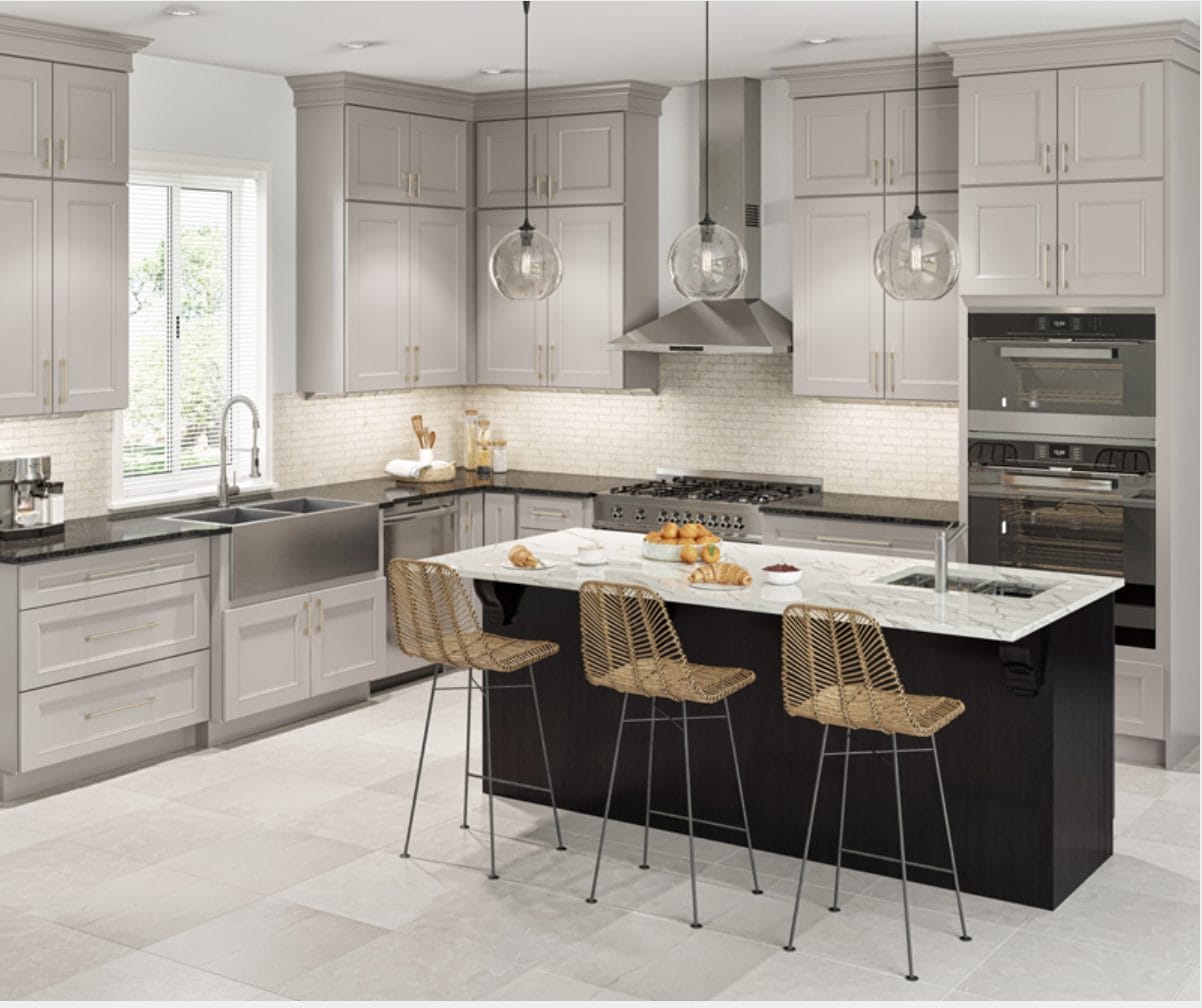
The kitchen is often the busiest room in any home, filled with meals, memories, and sometimes, too much waste. The good news? You can reduce your environmental footprint by making smarter choices with your kitchen tools.
Opting for eco-friendly kitchen utensils isn’t just about following a trend—it’s about creating a healthier environment for your family and the planet. From environmentally friendly cooking utensils to sustainable materials, this guide is your key to building a greener kitchen.
Key Features of Eco-Friendly Kitchenware
Eco-friendly choices matter more than ever. Conventional kitchen tools often use materials that harm the environment. By switching to sustainable cooking utensils, you not only reduce waste but also enjoy products made from durable and natural resources.
A small change in your kitchen can have a ripple effect, encouraging others to make similar conscious decisions. On that note, let’s learn about some of the key aspects of eco-friendly kitchenware.
-
Materials That Matter
The foundation of any eco-friendly kitchenware for a sustainable home lies in its materials. Bamboo, stainless steel, and recycled plastic are excellent choices.
Bamboo is biodegradable, while stainless steel lasts for years without rusting. Recycled plastic reduces landfill waste, making it a win-win for your kitchen and the earth.
-
Durability and Functionality
Sustainable accessories don’t compromise on strength. Products like stainless steel utensils and bamboo cutting boards are built to last.
Unlike single-use plastic, they hold up under pressure, saving you money in the long run. Investing in environmentally friendly kitchen utensils means fewer replacements and less waste.
-
Easy Maintenance
Most eco-friendly kitchen utensils are easy to clean and maintain. Materials like stainless steel resist stains and odors, while bamboo naturally prevents bacteria buildup. This means less hassle in the kitchen and a longer lifespan for your tools.
-
Aesthetic Appeal
Sustainable kitchenware often has a natural, minimalistic look that enhances your kitchen’s decor. Whether it’s a bamboo cutting board or sleek stainless steel utensils, these items add charm while reflecting your commitment to sustainability.
Must-Have Eco-Friendly Kitchen Accessories
Switching to sustainable tools doesn’t have to be complicated. Here’s a list of some essentials to get you started:
- Reusable Food Wraps: Replace plastic wrap with beeswax or silicone wraps for storing leftovers.
- Glass Containers: Use glass storage boxes instead of disposable plastic bags.
- Bamboo Utensils: Great for stirring, flipping, and serving while being gentle on cookware.
- Metal Straws: Reusable straws eliminate the need for single-use plastic.
- Recycled Cutting Boards: Made from reclaimed wood or recycled plastic, these are both functional and eco-conscious.
- Silicone Baking Mats: Replace parchment paper and save trees.
- Compost Bins: Manage kitchen scraps for eco-friendly disposal.
- Cloth Napkins: Ditch paper towels for washable alternatives.
- Reusable Produce Bags: Keep fruits and vegetables fresh without plastic bags.
- Cast Iron Cookware: Durable and naturally non-stick, reducing the need for chemical coatings.
Benefits of Using Eco-Friendly Kitchen Accessories
Switching to eco-friendly kitchen tools benefits both the environment and your cooking experience. These durable, non-toxic accessories promote a healthier lifestyle and reduce waste. By choosing eco-conscious products, you contribute to a sustainable future, one kitchen at a time. Below are some of the amazing benefits that you can enjoy through it.
-
Healthier Cooking
Many environmentally friendly cooking utensils avoid harmful chemicals often found in plastics. Materials like stainless steel and bamboo are free from toxins, ensuring your food stays safe.
-
Less Waste
Switching to reusable tools cuts down on trash significantly. Items like beeswax wraps and metal straws can be washed and reused for years.
-
Cost Savings
While sustainable tools may cost a bit more upfront, they save you money over time. Durable products like eco-friendly kitchen utensils eliminate the need for constant replacements.
Simple Steps to Transition to a Sustainable Kitchen
It is best to replace single-use items like plastic wrap with reusable alternatives. Furthermore, look for utensils made from bamboo, stainless steel, or recycled materials. Lastly, donate or recycle old kitchen tools responsibly. Here is a step-by-step process that can help you out.
Step 1 – Start Small
Don’t feel pressured to replace everything overnight. Begin with essentials like cutting boards or reusable food wraps. Gradually add more sustainable cooking utensils to your collection.
Step 2 – Prioritize Quality
When shopping, focus on quality over quantity. Well-made environmentally friendly kitchen utensils will last longer and perform better than cheap alternatives.
Step 3 – Support Green Brands
Look for companies that prioritize sustainability in their production processes. By purchasing from these brands, you support their commitment to a cleaner planet.
Making It Personal: A Greener Kitchen, a Cleaner World
Transforming your kitchen is more than just swapping out tools. It’s about adopting habits that align with your values. Choosing environmentally friendly kitchen utensils and making small changes in your daily habits can significantly impact the planet. Start your journey today and inspire those around you to join the movement.
Start making sustainable choices today! Discover Frugal’s collection of eco-friendly kitchen utensils and other sustainable accessories to transform your kitchen into an eco-conscious space. Shop now and take the first step toward a greener tomorrow!
FAQs
-
Why should I choose eco-friendly kitchen accessories?
Eco-friendly products help reduce environmental harm and are often healthier for you. They’re made from sustainable materials like bamboo and stainless steel, avoiding harmful chemicals.
- Are sustainable kitchen tools durable?
Yes! Products like eco-friendly kitchen utensils and stainless steel tools are built to last. They’re designed to withstand wear and tear, offering long-term value.
- What materials are best for eco-friendly kitchenware?
Bamboo, stainless steel, and recycled plastic are top choices. They’re sustainable, durable, and often biodegradable or recyclable.
- How do I start transitioning to a greener kitchen?
Begin by replacing single-use items with reusable alternatives. Gradually invest in essentials like cutting boards, utensils, and storage containers made from sustainable materials.
- Can I recycle old kitchen tools?
Many tools, especially those made from metal or plastic, can be recycled. Check local recycling guidelines to dispose of them responsibly.
-