Your cart is currently empty!
Blog
-

Maximizing Small Kitchen Spaces with Smart Cabinet Designs

A cramped kitchen can feel like a battlefield. Countertops overflow, utensils pile up, and finding space for groceries becomes a daily struggle. But a well-thought-out cabinet layout can make even the tiniest space functional. Smart designs create order from chaos, giving everything a place while keeping the area visually open.
It is safe to say that good cabinetry transforms tight quarters. The right choices reduce frustration, making cooking and cleaning smoother. In this article, we’ll explore practical ways to maximize small kitchens with smart cabinet solutions that bring efficiency without sacrificing style.
Smart Cabinet Layouts for Small Kitchens
Space doesn’t magically expand, but a smart layout makes it feel bigger. Instead of cluttering surfaces, cabinets can take on the heavy lifting. A thoughtful approach to placement, storage mechanisms, and accessibility makes all the difference. Here are a few options for layout worth going for.
Ceiling-High Cabinets
Empty space above standard cabinets collects dust. Extending cabinetry to the ceiling creates extra storage for infrequently used items. It also draws the eye upward, making the kitchen feel taller.
Corner Drawers and Pull-Outs
Blind corners waste space. Instead of deep, hard-to-reach cabinets, use pull-out corner drawers or rotating lazy Susans. These options make use of every inch without forcing anyone to crawl inside.
Slim Rolling Pantries
The gap between a fridge and the wall often goes unused. A slim, pull-out pantry slides in effortlessly, providing storage for spices, oils, and canned goods. It keeps essentials handy without taking up unnecessary room.
Under-Sink Drawers
The cabinet beneath the sink turns into a messy pit with pipes in the way. A sliding drawer accommodates cleaning supplies, neatly organizing items around the plumbing. As a result, it ensures there is no more digging for sponges and scrubbers.
Foldable or Expandable Countertops
When extra prep space is needed, a fold-out countertop extension does the trick. It stows away when not in use, ensuring a clear work area without permanent bulk.
Maximizing Storage with Clever Cabinet Features
Storage is about more than just stuffing items into cabinets. The right features make everything easy to access while maintaining order. While there are many features you can add, the following ensures that you maximum storage with a neat look:
Deep Drawer Dividers
Traditional lower cabinets create a black hole of stacked pots and pans. Deep drawers with dividers keep cookware organized, eliminating the need to shuffle through a pile to find the right lid.
Tilt-Down Sink Trays
The small panel in front of the sink often stays sealed. Adding a tilt-down tray turns this wasted space into a hiding spot for sponges and scrubbers.
Hooks and Racks Inside Cabinet Doors
The inside of cabinet doors is valuable real estate. Mounting hooks or small racks provide a home for measuring spoons, lids, or even cutting boards.
Pull-Out Trash and Recycling Bins
A freestanding trash can takes up valuable floor space. Pull-out bins inside a cabinet keep waste concealed while making cleanup effortless.
Adjustable Shelving
Fixed shelves limit flexibility. Adjustable ones adapt to different storage needs, making room for everything from tall cereal boxes to compact kitchen gadgets.
The Smallest Kitchen Cabinet Design That Works Overtime
Tiny kitchens require creative storage. A compact yet hardworking cabinet can make a surprising difference. Let’s explore some of the smallest kitchen cabinet designs that you can add to your home.
Rolling Island Cabinet
A mobile cabinet doubles as storage and workspace. It moves where needed, then tucks away neatly when not in use.
Skinny Vertical Drawers
A slim pull-out cabinet between appliances or cabinets makes use of narrow gaps, storing items like baking trays, cutting boards, and spices.
Toe-Kick Storage
The space beneath lower cabinets often goes unused. Installing hidden drawers in the toe-kick area creates a secret spot for baking sheets or extra utensils.
Multi-Purpose Cabinets
Some cabinets do more than hold kitchenware. A built-in charging station for phones, a fold-out cutting board, or even a built-in spice rack add extra functionality without consuming more space.
Over-the-Fridge Storage
The cabinet above the fridge usually ends up as a dead zone. Adding pull-down shelves makes it easier to reach and actually use this space.
Conclusion
Smart cabinet choices transform a tiny kitchen from frustrating to functional. With thoughtful storage solutions, even the smallest space can feel organized and efficient. A well-planned layout eliminates clutter, making everyday tasks smoother. Need affordable yet space-saving cabinet solutions? Check out Frugal Cabinets for options that make every inch count.
FAQs
How do I make my small kitchen look bigger?
Use light-colored cabinets, reflective surfaces, and open shelving to create an airy feel. Keeping countertops clear also helps maintain a spacious appearance.
What is the best type of cabinet for a small kitchen?
Ceiling-high cabinets, pull-out pantries, and multi-functional storage solutions maximize space without overwhelming the room.
Where should I put my trash can in a small kitchen?
A pull-out cabinet under the sink or inside a lower cabinet keeps the trash can hidden while freeing up floor space.
How can I store pots and pans without stacking them?
Use deep drawers with built-in dividers or hanging racks inside cabinets to keep them organized and easy to access.
What is the best way to use corner cabinet space?
Lazy Susans, pull-out trays, or deep corner drawers make these areas accessible and prevent wasted storage.
-
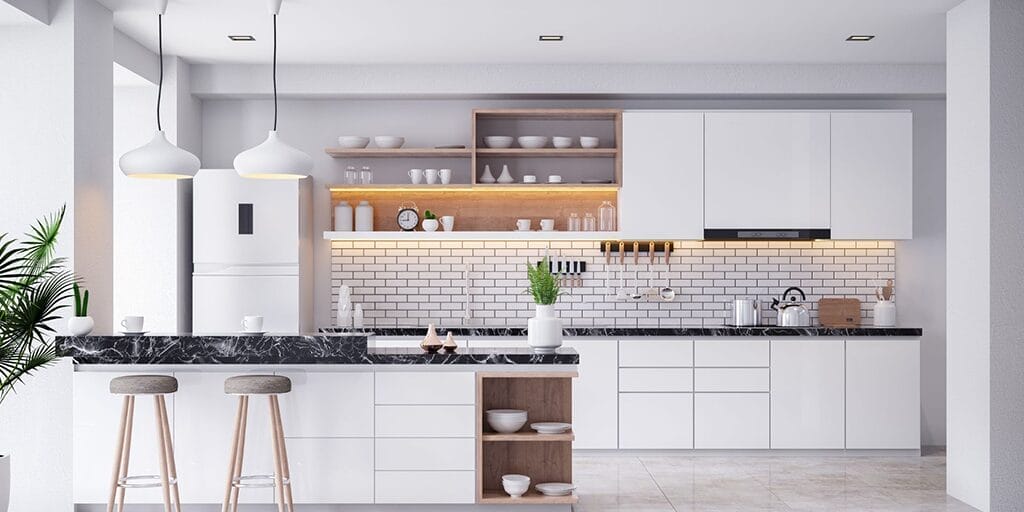
10 Budget-Friendly Kitchen Remodeling Tips

Remodeling a kitchen can be a wallet-draining project, but it doesn’t have to be. If you’re looking for inexpensive kitchen remodeling options, the good news is that you don’t need a fortune to refresh your space.
You might be tackling a low-budget kitchen remodel or simply looking for cheap ways to renovate a kitchen. Either way, small changes can make a big impact. Here are ten budget kitchen remodeling tips to help you get the most bang for your buck.
Make the Most of Your Kitchen Remodeling Budget with These 10 Tips
When it comes to kitchen remodeling, the key is to focus on high-impact, low-cost kitchen upgrades while avoiding unnecessary expenses. Below are ten budget kitchen remodeling tips that will help you get the most value for your dollar.
1. Repaint Instead of Replacing
New cabinets cost a fortune. But a fresh coat of paint can make old ones look brand new. Here is how it can help you:
- Use light colors to make a small kitchen feel bigger
- Choose high-quality, washable paint for long-term durability
- Swap out old hardware for a fresh, modern look
- Consider painting the walls a neutral shade for a timeless appeal
2. Upgrade the Backsplash on a Budget
A fancy backsplash doesn’t have to cost an arm and a leg. All you have to do is follow the tips mentioned below to upgrade the backsplash:
- Peel-and-stick tiles are a low cost kitchen upgrade that looks great
- Paint over an outdated backsplash with waterproof paint
- Install beadboard for a classic, farmhouse-style touch
- Use leftover tiles from other projects for a unique, patchwork design
3. Resurface or Paint Countertops
Brand-new countertops can wipe out your kitchen remodeling budget, but there are easier ways to upgrade them. Here are a few ways:
- Countertop refinishing kits mimic the look of granite
- Butcher block can be a low budget kitchen renovation choice
- Laminate resurfacing offers an easy kitchen remodel low cost option
- Concrete overlays provide a sleek, modern finish without the heavy price tag
4. Shop for Secondhand or Discounted Materials
Why pay full price when you can get quality materials for less? Some options, such as the ones mentioned below, help you get quality materials at a lower rate:
- Local salvage yards often have affordable stone, tile, and wood
- Online marketplaces offer free or cheap materials from people remodeling their own homes
- Warehouse sales and clearance sections at home improvement stores can save a bundle
5. Keep the Layout the Same
Changing plumbing and electrical lines will eat up your budget. Instead, work with what you have. In any scenario, it is best to:
- Use existing plumbing lines to avoid major costs
- Keep appliances in their current spots to prevent electrical work
- Focus on surface updates like paint, tile, and hardware
- Choose compact storage solutions if you’re renovating a small kitchen on a budget
6. Update Lighting for Instant Impact
Good lighting can completely change the feel of your kitchen. However, there is no need to add fancy or expensive lighting. All you have to do is:
- Use LED under-cabinet lights as they are an affordable kitchen remodel trick
- Swap outdated fixtures for modern, budget-friendly options
- Use dimmers to create a cozy ambiance without expensive rewiring
- Pendant lights over an island or dining area add style for cheap
7. DIY Small Projects to Cut Labor Costs
Labor costs can take up a huge chunk of any kitchen budget remodel. Therefore, doing simple tasks yourself can save money. While most tasks require an expert, here are a few that you can do on your own:
- Painting cabinets and walls is a do it yourself kitchen remodeling win
- Installing peel-and-stick backsplash is a quick DIY project
- Refinishing wood floors instead of replacing them cuts costs
- Sealing grout and caulking edges can refresh the space without much effort
8. Reuse and Repurpose What You Can
Before buying new, see what you can repurpose. This tip can be a huge money-saver for you. There are many things that you’ll find in your kitchen for reusing or repurposing, such as:
- Turn an old dresser into a kitchen island
- Reuse cabinet doors with a fresh coat of paint and new handles
- Convert open shelves into a trendy, functional storage solution
- Frame existing mirrors or glass panels for a high-end touch
9. Use Open Shelving for a Stylish, Budget-Friendly Look
Replacing upper cabinets can be costly, but open shelves offer an inexpensive kitchen remodeling alternative. Here are some options worth considering:
- Floating shelves create an airy, modern feel
- Repurpose old wooden planks for rustic shelving
- Use decorative brackets to add charm and personality
- Display everyday dishes and glassware for easy access
10. Plan Your Budget Carefully
Last but not least, it is important to create a budget and then stick with it. Spending wisely is key in a budget remodel. If you don’t track expenses, costs can spiral fast. The best approach to plan and stay in your budget is to:
- List out must-haves and nice-to-haves before spending a dime
- Research how much to spend on kitchen remodel projects in your area
- Look for financing options if needed, but avoid unnecessary debt
- Use free online tools to estimate material and labor costs
Conclusion
A kitchen remodel low-cost approach doesn’t mean sacrificing style. A few smart choices and a little creativity can transform your space without breaking the bank. If you’re ready to take the next step, check out Frugal Cabinets for high-quality, budget-friendly cabinet solutions.
FAQs
How to budget for kitchen renovation?
Break down costs by materials, labor, and unexpected expenses. Set aside at least 10% for surprises.
What is the cheapest way to remodel kitchen?
Painting cabinets, using peel-and-stick tiles, and shopping secondhand can cut costs significantly.
How to remodel home on a budget?
Prioritize updates with the biggest visual impact, reuse materials when possible, and handle simple DIY tasks yourself.
How to cheaply renovate a kitchen?
Focus on repainting, resurfacing, and upgrading small details like lighting and hardware.
-

Step by Step Guide to Installing RTA Cabinets Like a Pro

Building RTA cabinets at speed automatically becomes much simpler when all necessary elements are available. The correct system enables you to build an elegant operational kitchen from ordinary flat cabinet boxes.
Your time will stay intact, and problems will be eliminated with proper cabinet assembly knowledge. The correct procedure guarantees the optimal functioning of your RTA cabinets. The following article presents each step of the process clearly for a smooth installation experience.
Transform Your Kitchen with the Step-by-Step Guide to Installing RTA
Taking on a kitchen cabinet self-assembly project can be both exciting and rewarding. A planned methodology simplifies the process by reducing both mistakes and, with time, as well as costs. You can refer to the following instructions for efficient kitchen cabinet assembly. It demonstrates how you can start your venture with assurance.
Step 1: Preparing for Cabinet Assembly
Before diving into kitchen cabinet assembly, take some time to organize everything. A little preparation goes a long way in making the process easier. Here is what you need to do.
- Unpack everything carefully – Open the boxes and lay out all the parts. Check for missing or damaged pieces. The last thing you want is to start assembling kitchen cabinets only to realize something is missing.
- Gather your tools – You’ll need a drill, screwdriver, level, tape measure, rubber mallet, clamps, and wood glue. If your cabinet assembly instructions suggest additional tools, have them ready.
- Read the RTA cabinet instructions – Even if you think you know how to assemble kitchen cabinets, go through the manual. Every brand has slight differences, and missing a detail can lead to frustration later.
- Check your workspace – A large, clear area will make it easier to assemble cabinets without knocking things over. Place a blanket or cardboard on the floor to prevent scratches.
Step 2: Assembling the Cabinets
Now that you’re prepped, it’s time to assemble your own cabinets like a pro. There is no rocket science that goes behind it; all you have to do is:
- Attach the sides and bottom – Line up the panels and secure them using screws or cam locks, as per the RTA cabinet instructions. A rubber mallet helps tap pieces into place without damage.
- Install the back panel – Some kitchen cabinets you assemble yourself come with a thin back panel that slides into grooves, while others require screwing directly onto the frame.
- Reinforce with glue and screws -Even if your kitchen cabinets self-assembly kit uses cam locks, a little wood glue adds extra strength. Use clamps to hold the pieces together while the glue dries.
- Add the top and shelves – Attach the top panel securely, then insert any adjustable shelves. Some cabinets you put together yourself come with pre-drilled holes for easy shelf placement.
- Install doors and hardware – Use a level to ensure doors align properly before tightening the hinges. Attach handles and knobs as the final touch.
Step 3: Mounting the Cabinets
With your cabinet assembly done, it’s time to mount them properly for a sturdy installation. Just like other processes, you have to following the simple steps mentioned below.
- Mark your wall studs – Use a stud finder to locate the best spots for mounting. Self install cabinets must be anchored securely to prevent sagging or falling.
- Set the base cabinets first – Place the base units first, ensuring they’re level. Use shims if needed to correct uneven floors. Once aligned, secure them to the wall studs.
- Mount the upper cabinets – Enlist help to hold them in place while you drill. Assembly kitchen cabinets can get heavy, so take your time to ensure they’re secure.
- Check for level and alignment – Double-check that all cabinets toassemble are flush and level before tightening everything down.
Common Issues and Fixes
Even with careful assembly, issues can pop up. Here’s how to handle them:
- Misaligned doors – Adjust the hinges slightly until they align properly. Most cabinet assembly instructions include hinge adjustment tips.
- Uneven cabinets – If the floor isn’t level, use shims under the base cabinets before securing them.
- Stubborn screws – A bit of soap or wax on screw threads makes them easier to drive in.
- Gaps between cabinets – Fill small gaps with cabinet filler strips for a seamless look.
Conclusion
Setting up pre-assembled kitchen cabinets serves as a rewarding do-it-yourself project if you approach it correctly. A proper combination of planning and thorough detail work along with the necessary persistence can help you build a professional kitchen appearance.
Frugal Cabinets provides the most suitable pricing on self-assembling wood kitchen cabinets, along with premium quality ready-to-assemble products. Browse through our website to learn more about the different options available.
FAQs
What’s the best way to learn how to assemble kitchen cabinets?
You should follow the instructions regarding the RTA cabinet assembly, then move slowly and apply clamps to retain pieces until you secure them.
How long does it take to put together kitchen cabinets?
The process of assembling cabinets requires between thirty and sixty minutes of work time per cabinet, apart from considerations of size and experience level.
Can I assemble cabinets alone?
Yes, but having a helper makes lifting and mounting easier, especially for upper cabinets.
Do I need special tools for RTA cabinet assembly?
Basic tools like a drills, screwdrivers, levels, and clamps are enough for most DIY cabinet projects.
How can I make sure my cabinets are strong?
Use wood glue along with screws, and ensure the cabinets are mounted securely to wall studs.
-

The Benefits of Ready to Assemble (RTA) Kitchen Cabinets

When you start a kitchen renovation project, your costs tend to keep increasing without end. Different kitchen components combined with contractor costs easily escalate budget totals. When looking for an affordable solution to improve your space, you should consider getting ready-to-assemble cabinets (RTA).
RTA cabinets exist in flat packaging until someone arranges them for assembly. Aside from financial savings, you gain control over your choices with this purchasing method. During the renovation process, you get to decide on cabinet appearance together with material choice and work speed.
Not only that, RTA cabinets provide outstanding value to users no matter their level of expertise or budgetary needs. This article will examine how RTA cabinets benefit consumers and when they are suitable alternatives.
Why Homeowners Are Choosing RTA Cabinets
Homeowners select RTA kitchen cabinets to gain a stylish renovation at affordable pricing. Upgrading becomes simpler because these cabinets provide quick assembly together with durable material choices and customization capabilities. The following list explains additional advantages of choosing RTA cabinets.
Cost Savings That Matter
Upgrading a kitchen is expensive, but RTA cabinets help keep costs in check. Here’s how they put money back in your pocket:
- Lower purchase price – Since unassembled cabinetry ships flat-packed, manufacturers save on storage and transportation, and you get a better price.
- No labor costs – You’re the installer, meaning no contractor fees. If you’ve ever paid for kitchen labor, you know that’s a huge win.
- Bulk discounts – Many online retailers, including Frugal Cabinets, offer discounts when you buy multiple kitchen cabinets you assemble at once.
- Fewer hidden fees – Some assembled cabinets require extra fees for delivery and handling, which can add up fast. RTA kitchen cabinets keep those surprise costs low.
Customization Without Limits
A pre-assembled set forces you into limited design choices. RTA cabinets open the door to customization. Here’s why they’re a winner:
- Material choices – From RTA wood cabinets allow you to get modern laminate options, you pick what fits your kitchen best.
- Flexible sizes – Whether you need double-sided kitchen cabinets for an island or slim options for a small space, there’s an RTA cabinet for every layout.
- Style variety – Want a farmhouse look? Prefer sleek and modern? Brands like Frugal Cabinets have endless styles to choose from.
- Easy modifications – Since you’re assembling them, minor adjustments are simple. No need to hire a carpenter for small tweaks.
Simplicity in Assembly
Putting together cabinets to assemble might sound like a headache, but it’s easier than you think. The simplicity makes it a preferable choice. All you have to do is follow the steps mentioned below:
- Pre-drilled holes– Most best ready-to-assemble cabinets come with pre-drilled holes, making assembly straightforward.
- Step-by-step instructions – Detailed guides, often with pictures, make the process simple. Many brands also have online videos.
- Minimal tools required – A screwdriver and a little patience are all you need. If you’ve put together furniture, you can handle RTA base cabinets.
- Customer support – Many companies, including those with good RTA kitchen cabinets online reviews, offer customer service if you hit a snag.
Durability That Stands the Test of Time
Some people wonder, are RTA cabinets good? The short answer: Yes, when you buy from the right source. The important thing that matters is durability. For that, you need to keep the following things in mind:
- Quality materials – Many of the best-rated RTA kitchen cabinets use solid wood or plywood, lasting just as long as high-end options.
- Strong construction – Dovetail joints, soft-close hinges, and sturdy drawer glides are common in the best RTA kitchen cabinets.
- Moisture resistance – Modern RTA cabinets come with improved finishes that resist water and stains.
- Better than some pre-assembled options – Not all pre-made cabinets offer the same quality as the best RTA cabinet reviews suggest.
Smart Buying Tips
Not all RTA cabinet reviews are glowing. Some brands cut corners. Keep these tips in mind:
- Read RTA cabinets reviews and consumer reports before purchasing. Look for durability and ease of assembly.
- Check return policies. If something arrives damaged, make sure you can swap it.
- Ask who makes the best RTA kitchen cabinets for recommendations. Brands like Frugal Cabinets often rank highly.
- Look for an RTA cabinets discount code. Many sellers offer seasonal promotions to cut costs further.
Conclusion
Choosing RTA kitchen cabinets means saving money, getting the look you want, and having the satisfaction of assembling them yourself. Whether it’s a complete remodel or a small upgrade, what are ready-to-assemble cabinets if not one of the smartest ways to refresh a kitchen? Ready to get started? Check out Frugal Cabinets for budget-friendly options that don’t skimp on quality.
FAQs
What does RTA cabinets mean?
RTA cabinet refers to cabinets that come unassembled, allowing homeowners to put them together on their own.
How to assemble RTA cabinets?
Assembly varies by brand, but most of the best RTA kitchen cabinets come with pre-drilled holes and step-by-step instructions for easy setup.
Are RTA cabinets cheaper than pre-assembled ones?
Yes, if you wonder, “Are RTA cabinets cheaper than assembled ones?” then the answer is a resounding yes. The flat-pack design cuts costs in shipping, storage, and labor.
RTA cabinets vs assembled – which lasts longer?
With proper assembly, RTA cabinets vs assembled cabinets perform equally well. Quality brands use durable materials, ensuring longevity comparable to pre-assembled options.
-

How to Choose the Perfect Kitchen Cabinets for Your Home

Your kitchen cabinets establish the general atmosphere of your room. They act as more than simple storage because they determine the visual and operational aspects of the kitchen space. Do you need an improvement, or are you initiating from scratch?
When selecting the right fit, everything changes for the better. You will learn every step of selecting cabinet options, which combine your design standards with your affordability requirements through this complete guideline. The details in this article will supply vital information to guide your selection of the best choice.
Understanding Your Kitchen Space
Choosing kitchen cabinetry demands an understanding of your current setup. A few minutes of planning in advance prevents you from experiencing future complications. The following steps will help you understand space requirements better.
Measure Everything
Get precise dimensions of your space, including ceiling height and doorways. This helps prevent surprises when installing your kitchen cabinets.
Consider Your Layout
Think about where you want storage, appliances, and prep areas. The right cabinets for kitchen spaces make cooking and cleaning easier.
Think About Traffic Flow
Ensure cabinet doors don’t block pathways when opened. A crowded kitchen isn’t fun for anyone.
Plan for Storage Needs
Deep drawers, pull-out shelves, and corner solutions help maximize space. Get kitchen cabinets best suited for your habits.
Cabinet Materials and Construction
Kitchen cabinets are built with different materials, styles, and functions. The right materials keep them looking good and lasting long. Here is a quick overview of different materials.
Solid Wood vs. MDF vs. Plywood
- Solid wood is durable but expensive.
- MDF is budget-friendly and smooth for painting.
- Plywood is strong and resists moisture better.
Framed vs. Frameless
The construction of your kitchen cabinetry impacts both aesthetics and functionality. Some designs offer extra support, while others maximize interior space. Picking the right type ensures a long-lasting and efficient kitchen setup. The two options available are framed and frameless. Their key feature include:
- Framed cabinets have extra stability and a classic look.
- Frameless ones provide a modern touch and maximize interior space.
Keep in mind that door styles matter. Shaker, slab, and glass-front are some of the choices available. Your choice affects the vibe of your kitchen. Kitchen cabinets and cupboards come in many styles, so pick what fits your home. Also, no one likes slamming doors. Soft-close features add convenience and prevent wear over time.
Choosing the Right Finish and Color
As mentioned before, looks matter when it comes to choosing your kitchen cabinets. The right finish and color set the tone for your entire kitchen. Usually, it is the homeowners’ preference that leads to the ultimate decision of which color to pick. However, there are usually the thoughts that go in many people’s minds:
- Painted vs. Stained
- Painted finishes give a smooth, solid color.
- Stains show off the natural grain of the wood.
- Light or Dark?
- Light colors make spaces feel bigger.
- Darker shades bring warmth but need more cleaning.
- Matte, Satin, or Glossy?
- Each finish reflects light differently.
- Glossy finishes shine but show fingerprints more easily.
- Trending or Timeless
- Trends come and go.
- Classic colors like white, gray, and wood tones stay stylish for years.
Storage and Organization Features
Smart storage makes a big difference in daily use. Consider these features before remodeling kitchen cabinets.
- Pull-Out Shelves: No more bending and digging through deep cabinets. Everything slides out within reach.
- Built-in Dividers: Keep utensils, plates, and spices neat and easy to find.
- Lazy Susans & Corner Drawers: Turn wasted corner space into useful storage.
- Under-Cabinet Lighting: Brighten up your counters with built-in lights for better visibility.
Conclusion
Selecting the right kitchen cabinets involves sophisticated planning and the selection of appropriate materials. Plan all decisions starting from the available space as well as material selection and storage arrangements alongside budget considerations.
The perfect cabinets will serve your kitchen dual functions of functionality with beautification while maintaining their quality over many years.
This article provides exactly what you are searching for in terms of cost-effective, high-quality options. Above all, Frugal Cabinets is here to simplify your daily life operations. The best offers for your kitchen cabinet renovation await at Frugal Cabinets, so visit their website today.
FAQs
To achieve lasting kitchen cabinets, which material should you select?
The strongest alternative materials for kitchen cabinets include solid wood together with plywood boards. MDF works well for paint applications, but it becomes less resistant when moisture surrounds it.
How can I maximize storage in my kitchen cabinets?
Add pull-out shelves together with dividers and with Lazy Susans to improve your kitchen cabinet storage possibilities. Custom items inside the cabinets enable structured storage that is accessible and tidy.
Are frameless cabinets or framed ones the best option?
You can use frameless cabinets to get more storage and achieve a modern appearance. Traditional style and additional support come from framing cabinets.
Are frameless cabinets better than framed ones?
Frameless cabinets offer more storage space and a sleek look. Framed cabinets provide extra support and a traditional style.
What finish is easiest to maintain?
Matte and satin finishes hide fingerprints better than glossy ones. Stained wood also shows fewer smudges than solid paint.
Where can I buy affordable kitchen cabinets?
Check out Frugal Cabinets for high-quality options at budget-friendly prices. Online stores often have better deals than local showrooms.
- Solid wood is durable but expensive.
-
La séquence de Fibonacci : harmonie et applications modernes
La suite de Fibonacci, souvent perçue comme une curiosité mathématique, incarne un principe universel d’harmonie qui se manifeste à travers la nature, l’art et la technologie. Son influence profonde dépasse la simple théorie pour s’intégrer dans notre quotidien, notamment dans la riche culture française. Dans cet article, nous explorerons comment cette séquence intemporelle relie harmonie, esthétique et applications modernes, illustrant ainsi sa pertinence dans le monde contemporain.
Table des matières
- Origines et histoire de la séquence dans les mathématiques
- Présence dans la nature, l’art et la culture française
- Définition et principes fondamentaux
- Harmonie esthétique et proportion divine
- Applications modernes dans différents domaines
- Fibonacci dans la nature et l’environnement français
- Dimension culturelle et économique
- Perspectives dans la société française contemporaine
- Conclusion
Origines et histoire de la séquence dans les mathématiques
La suite de Fibonacci trouve ses racines dans le contexte mathématique italien du XIIIe siècle, grâce à Leonardo de Pise, connu sous le nom de Fibonacci. Dans son ouvrage Liber Abaci, publié en 1202, il introduit cette progression pour modéliser la croissance des lapins, illustrant une relation entre reproduction et développement. Cependant, la présence de cette séquence dans la nature et l’art dépasse largement ses origines, témoignant d’un principe fondamental de l’harmonie universelle.
En France, cette suite a été étudiée et valorisée à travers l’histoire par des figures telles que Léonard de Vinci, qui s’est inspiré du nombre d’or et des proportions issues de la suite pour ses œuvres. La transmission de ces connaissances a renforcé la perception que la mathématique et l’esthétique sont étroitement liées.
Présence de la suite dans la nature, l’art et la culture française
La suite de Fibonacci se manifeste dans de nombreux phénomènes naturels en France et à travers le monde. Par exemple, la croissance des spirales dans les coquillages, comme ceux des escargots de Bourgogne, ou la disposition des feuilles sur une tige, suivent souvent cette progression. La nature semble ainsi suivre un modèle d’efficacité et d’harmonie qu’elle partage avec l’art français.
Dans l’art, le nombre d’or, dérivé du ratio entre deux termes consécutifs de la suite, a été utilisé pour créer des œuvres équilibrées et esthétiquement plaisantes. Les jardins à la française, tels que ceux de Versailles, illustrent cette harmonie proportionnelle, où la géométrie et la symétrie renforcent la beauté et l’ordre.
« La beauté dans l’art et l’architecture française repose souvent sur des proportions qui suivent la logique mathématique de la suite de Fibonacci, révélant une harmonie universelle. »
Définition et principes fondamentaux
La suite de Fibonacci se définit par la relation suivante : chaque terme est la somme des deux précédents, avec comme conditions initiales F0 = 0 et F1 = 1. Mathématiquement, cela s’écrit :
Formule Fn = Fn-1 + Fn-2 Parmi les propriétés essentielles de cette suite, le ratio entre deux termes consécutifs tend vers le nombre d’or, φ ≈ 1,618, symbole d’harmonie et de beauté dans l’architecture et l’art français. Par ailleurs, la croissance exponentielle de la suite illustre comment des phénomènes naturels, tels que la multiplication cellulaire ou la croissance des populations, suivent souvent cette progression.
Harmonie esthétique et proportion divine
La proportion divine, ou nombre d’or, est associée à la quête esthétique de l’équilibre parfait. En architecture française, notamment dans la conception des cathédrales gothiques comme Notre-Dame de Paris, ou dans les jardins de Versailles, cette proportion guide la composition pour créer une sensation d’harmonie profonde. La relation entre la suite de Fibonacci et ces proportions permet d’obtenir un équilibre visuel qui apaise l’œil et renforce le sentiment d’ordre.
En peinture, des artistes comme Georges Seurat ou Paul Cézanne ont exploité ces principes pour structurer leurs compositions, utilisant la suite pour définir les rapports entre différentes parties de leurs œuvres. La perception française de la beauté s’appuie souvent sur cette recherche d’harmonie mathématique, incarnant une culture qui valorise l’équilibre et la perfection formelle.
Applications modernes dans différents domaines
Aujourd’hui, la suite de Fibonacci influence des secteurs variés en France et à l’échelle mondiale. En ingénierie et design industriel, elle guide la conception d’objets ergonomiques et esthétiques, comme dans le secteur de l’électronique ou de l’automobile. L’architecture contemporaine, notamment avec des bâtiments en verre ou en structures légères, s’appuie souvent sur ces principes pour obtenir des façades harmonieuses et innovantes.
En finance, la modélisation des marchés boursiers intègre parfois la suite pour anticiper les tendances ou optimiser les stratégies d’investissement. La célèbre technique de pêche « Big Bass Reel Repeat » illustre, par exemple, comment des principes mathématiques peuvent optimiser la performance, en utilisant des cycles et des ratios issus de la suite pour maximiser les chances de succès. Pour découvrir cette approche, vous pouvez consulter ce big bass reel repeat gameplay, qui montre concrètement comment ces concepts se traduisent en pratique.
Fibonacci dans la nature et l’environnement français
La croissance rapide de certaines algues marines laminaires, riches en alginates et en iode, suit souvent un modèle exponentiel conforme à la suite de Fibonacci. Ces organismes jouent un rôle clé dans l’écosystème marin français, notamment en Bretagne, où leur développement illustre la puissance de la croissance naturelle régie par des lois mathématiques.
La morphologie des coquillages, tels que ceux présents sur les plages normandes, ou la disposition des fleurs dans les jardins botaniques de Paris, illustrent également cette séquence. La compréhension de ces processus naturels permet d’évaluer l’impact environnemental et de préserver la biodiversité, en respectant les cycles harmonieux dictés par la nature.
Dimension culturelle et économique
La production d’aquariums en verre en Chine, depuis les années 1990, a profondément modifié le marché français. La conception de ces produits, souvent influencée par l’harmonie mathématique, permet de créer des espaces aquatiques équilibrés et esthétiques, intégrant des principes issus de la suite de Fibonacci pour favoriser une expérience visuelle apaisante.
Par ailleurs, l’industrie du luxe et du tourisme en France, notamment dans le secteur des casinos et des loisirs haut de gamme, voit dans le « high roller » une extension de cette quête d’harmonie parfaite. La conception de ces espaces de divertissement repose sur des proportions qui renforcent l’attractivité et le sentiment d’exclusivité, tout en étant souvent inspirées par des ratios issus de la suite.
La maîtrise de ces principes contribue à une conception cohérente, où la beauté mathématique devient un vecteur de succès économique et culturel.
Perspectives dans la société française contemporaine
La popularité croissante des sciences et des mathématiques dans l’enseignement français témoigne d’un intérêt renouvelé pour la compréhension de ces principes universels. Les institutions éducatives encouragent aujourd’hui l’étude de la suite de Fibonacci comme un exemple concret de l’interconnexion entre sciences, arts et environnement.
La valorisation du patrimoine historique, notamment dans la restauration des monuments ou la conception de nouveaux bâtiments, repose souvent sur des ratios inspirés par cette suite. Ces efforts participent à une renaissance culturelle où la mathématique devient un outil de préservation et d’innovation.
Toutefois, relever ces défis demande de repenser la façon dont la science influence notre quotidien, en intégrant ces concepts dans la conception d’objets, d’espaces urbains ou de technologies innovantes.
Conclusion
La suite de Fibonacci incarne une harmonie universelle, tissant un fil invisible entre la nature, l’art et la progrès technologique. En France, cette séquence a façonné des chefs-d’œuvre architecturaux, inspiré des artistes et guidé des innovations modernes. Son étude révèle que la quête d’équilibre et de beauté, qu’elle soit mathématique ou esthétique, reste au cœur de notre civilisation.
En observant notre environnement quotidien, que ce soit dans un jardin à la française, dans la croissance d’une algue ou dans une œuvre d’art, nous pouvons percevoir cette harmonie intrinsèque. La compréhension et l’intégration de la suite de Fibonacci offrent ainsi des clés pour continuer à progresser, en alliant science, culture et innovation.
L’harmonie mathématique, inscrite dans la nature et notre patrimoine, reste un guide pour bâtir un avenir équilibré et esthétique.
-
Can Fishing Techniques Inspire Modern Entertainment? 04.11.2025
Traditional skills such as fishing have long served as a foundation for various forms of entertainment, from storytelling to digital gaming. Understanding the nuanced techniques involved in fishing reveals a wealth of strategic and biological insights that are now influencing modern media and interactive experiences. This exploration demonstrates how age-old practices continue to shape innovative entertainment, blending education with engagement.
Table of Contents- The Fundamentals of Fishing Techniques and Their Strategic Elements
- Nature-Inspired Mechanics in Modern Entertainment
- The Educational Value of Traditional Skills in Modern Contexts
- Modern Gambling and Skill-Based Games: A Reflection of Classic Techniques
- Non-Obvious Connections: The Surprising Depth of Fishing in Modern Media
- Future Perspectives: Can Fishing Techniques Continue to Inspire Entertainment Innovation?
- Conclusion: Bridging the Gap Between Nature, Skill, and Entertainment
The Fundamentals of Fishing Techniques and Their Strategic Elements
At its core, fishing is a strategic activity that leverages patience, precision, timing, and adaptability. Fishers observe environmental cues such as water movement, insect activity, and fish behavior to determine the best moments to cast or reel in. These skills require understanding biological rhythms and responding flexibly to changing conditions, which are essential for success in both traditional fishing and modern interactive experiences.
In the realm of digital entertainment, these core skills translate into engaging gameplay mechanics. For instance, timing-based challenges in fishing-themed games mimic real-world patience and quick reactions. The feedback loop—when a fish strikes or a lure is reeled in—mirrors environmental cues in nature, teaching players to read signals and adapt strategies accordingly. Such mechanics enhance immersion and make gameplay more intuitive and rewarding.
Nature-Inspired Mechanics in Modern Entertainment
Many modern games draw inspiration from biological behaviors observed in nature. For example, the hovering flight of dragonflies has inspired game mechanics where characters or objects mimic such natural movements, creating realistic and engaging experiences. These biological behaviors inform not just character animation but also strategic elements, like predator-prey interactions, which add depth and authenticity to virtual worlds.
Mimicking natural movement enhances player immersion by aligning virtual actions with real-world physics and biology. For instance, the gentle ripple of a fish on the water surface can inform a player’s timing in catching or avoiding it. User interfaces that incorporate environmental cues—such as water vibrations or visual signals—help players develop instinctive responses, bridging the gap between real and virtual environments.
The Educational Value of Traditional Skills in Modern Contexts
Games rooted in fishing techniques often serve as tools for teaching patience, strategic thinking, and adaptability. These skills are crucial not only in recreational fishing but also in problem-solving within digital environments. Integrating educational content into entertainment fosters deeper engagement, encouraging players to learn while having fun.
The example of fishing game repeat spins illustrates this blend effectively. Such games simulate real fishing scenarios, requiring players to understand environmental cues and timing—mirroring the skills used by anglers. This approach transforms entertainment into an educational experience, promoting patience and strategic planning.
Modern Gambling and Skill-Based Games: A Reflection of Classic Techniques
Skill-based gambling games often incorporate elements reminiscent of fishing strategies. For example, slot games utilize Return to Player (RTP) percentages to simulate risk and reward, echoing the unpredictability of fish bites. The balance between chance and skill—central to traditional fishing—creates engaging experiences that educate players about probability, patience, and decision-making.
These elements foster immersive environments where players learn to evaluate risk, timing, and environmental cues, much like anglers do. This synergy enhances both the educational and entertainment value of such games, making them appealing across diverse audiences.
Non-Obvious Connections: The Surprising Depth of Fishing in Modern Media
Fishing has evolved from a survival skill into a popular trope across movies, television, and video games. Films often depict characters using fishing as a metaphor for patience, resilience, or discovery. In gaming, fishing mini-games have become a staple, offering relaxing yet strategic gameplay layers that resonate with audiences seeking immersive storytelling.
Advances in virtual reality (VR) and augmented reality (AR) are further influenced by biological insights gained from fishing techniques. For example, VR simulations that mimic the subtle movements of fish or the environment’s responsiveness to player actions create more realistic and engaging experiences. These innovations demonstrate how traditional skills inform the design of immersive storytelling and gameplay dynamics.
Future Perspectives: Can Fishing Techniques Continue to Inspire Entertainment Innovation?
Emerging technologies such as drone-based fishing simulations are pushing the boundaries of biological mimicry in entertainment. These tools replicate natural behaviors like fish movement or water dynamics, providing educational platforms or serious games aimed at teaching environmental awareness and survival skills.
The integration of biological insights into new game genres offers opportunities for more realistic, educational, and engaging media. For instance, serious games that simulate fishing or survival scenarios can foster environmental stewardship and strategic thinking, making entertainment a vehicle for meaningful learning experiences.
Conclusion: Bridging the Gap Between Nature, Skill, and Entertainment
“Traditional fishing techniques exemplify a rich source of inspiration for modern entertainment—blending biological understanding, strategic thinking, and environmental cues to create engaging, educational experiences.”
As demonstrated, the principles underlying fishing—patience, adaptability, precise timing—are deeply embedded in many facets of contemporary media. These age-old skills continue to inform game design, storytelling, and immersive technologies, ensuring that the connection between nature and entertainment remains vibrant and innovative.
Recognizing and harnessing these insights can lead to more meaningful, educational, and captivating experiences that honor the wisdom of traditional practices while embracing technological progress. The ongoing dialogue between natural skills and media innovation promises a future where entertainment not only entertains but also educates and inspires.
-
Wie genau optimale Keyword-Integration für lokale Suchmaschinenoptimierung in Deutschland gelingt
Lokale Suchmaschinenoptimierung (SEO) ist für Unternehmen im deutschsprachigen Raum unverzichtbar, um in den regionalen Suchergebnissen sichtbar zu bleiben. Eine zentrale Rolle spielt dabei die gezielte und fachgerechte Integration von Keywords. Während Tier 2 bereits grundlegende Strategien aufzeigt, bietet dieser Leitfaden eine tiefgehende, praxisorientierte Anleitung, um die Keyword-Integration noch effektiver zu gestalten. Für eine umfassende Einordnung empfehlen wir zudem die Lektüre des Tier 2 Artikels «{tier2_theme}», der die Grundlagen der lokalen SEO abdeckt. Im Folgenden zeigen wir Schritt für Schritt, wie Sie durch konkrete Techniken, Fehlervermeidung und innovative Ansätze Ihre Sichtbarkeit in der Region deutlich steigern können.
1. Konkrete Techniken zur Optimierung der Keyword-Platzierung in lokalen Verzeichnissen und auf Webseiten
a) Schritt-für-Schritt-Anleitung zur gezielten Keyword-Integration in Google My Business, Branchenverzeichnissen und auf der eigenen Webseite
Um die lokale Sichtbarkeit systematisch zu verbessern, gehen Sie folgendermaßen vor:
- Keyword-Recherche mit regionalem Fokus: Nutzen Sie Tools wie den Google Keyword Planner, Ubersuggest oder Ahrefs, um lokale Suchbegriffe zu identifizieren, die Nutzer in Ihrer Region verwenden. Achten Sie auf Begriffe wie „Friseur Berlin Mitte“ oder „Schreiner München Schwabing“.
- Optimierung des Google My Business Profils: Integrieren Sie das wichtigste Keyword in den Firmennamen, die Kategorien, die Beschreibung sowie in die Beiträge. Beispiel: „Bäckerei Müller – traditionelles Backhandwerk in Hamburg“.
- Branchenverzeichnisse: Tragen Sie Ihr Unternehmen in relevante regionale Verzeichnisse ein und verwenden Sie dabei stets die gleichen, keyword-optimierten Beschreibungen und Firmennamen, um Konsistenz zu gewährleisten.
- Eigene Webseite: Platzieren Sie die Keywords strategisch in Titel-Tags, Meta-Beschreibungen, Überschriften (H1, H2), Alt-Tags für Bilder sowie im Fließtext. Beispiel: <h1>Ihr zuverlässiger Elektriker in Frankfurt am Main</h1>.
b) Einsatz von Keyword-Variationen und LSI-Keywords zur Verbesserung der Relevanz in lokalen Suchanfragen
Vermeiden Sie die Übernutzung eines einzelnen Keywords (Keyword-Stuffing), indem Sie Variationen und latente semantische Index-Keywords (LSI-Keywords) einsetzen. Beispiel: Statt nur „Kfz-Meisterbetrieb Berlin“ verwenden Sie auch Begriffe wie „Autoreparatur Berlin“, „Kfz-Service Berlin“, oder „Auto Werkstatt Mitte“. Diese Vielfalt erhöht die Relevanz in verschiedenen Suchanfragen und verbessert die Rankings in den lokalen Ergebnissen.
c) Empfehlungen für die richtige Platzierung: Überschriften, Meta-Tags, Bildbeschreibungen und Textkörper
Fokussieren Sie auf eine konsequente Platzierung der Keywords an strategischen Stellen:
- Titel (Title-Tag): Das wichtigste Keyword sollte möglichst zu Beginn stehen, z. B.: <title>Top-Friseur in Köln – Haarstudio Müller</title>.
- Meta-Beschreibung: Nutzen Sie das Keyword natürlich im Fließtext, um die Klickrate zu steigern.
- Überschriften (H1, H2): Platzieren Sie das Ziel-Keyword in der Hauptüberschrift, gefolgt von Variationen in Unterüberschriften.
- Bilder: Beschreiben Sie Bilder mit Alt-Tags, die das Keyword enthalten, z. B.: <img src=”bild.jpg” alt=”Elektriker in Nürnberg bei der Arbeit”>.
- Textkörper: Integrieren Sie Keywords organisch im Text, ohne den Lesefluss zu stören.
2. Häufige Fehler bei der Keyword-Integration und wie man sie vermeidet
a) Überoptimierung: Keyword-Stuffing und seine Risiken für das Ranking
Ein häufiger Fehler ist das sogenannte Keyword-Stuffing – die übermäßige und unnatürliche Verwendung von Keywords. Dieser Ansatz wird von Suchmaschinen wie Google zunehmend sanktioniert und kann zu deutlichen Ranking-Verlusten führen. Um dies zu vermeiden, setzen Sie Keywords gezielt und sparsam ein, immer im natürlichen Kontext. Nutzen Sie stattdessen Variationen und Synonyme, um den Text leserfreundlich und suchmaschinenfreundlich zu gestalten.
b) Fehlende lokale Bezugnahme: Warum regionale Keywords konsequent eingebunden werden sollten
Ohne konsequente regionale Bezugnahme verlieren Sie wertvolle Chancen auf Ranking-Positionen in der Nähe Ihres Standorts. Stellen Sie sicher, dass alle relevanten Keywords mit Orts- oder Stadtbezeichnungen versehen sind. Beispiel: Statt „Schreinerarbeiten“ nur „Schreinerarbeiten in München“. Dadurch optimieren Sie gezielt für lokale Suchanfragen und vermeiden, dass Ihre Seite in überregionalen, für Sie unwichtigen Ergebnissen erscheint.
c) Mangelhafte Konsistenz: Inkonsistente Nennung von Unternehmensnamen, Adressen und Keywords
Konsistenz ist bei der lokalen SEO entscheidend. Inkonsistente Angaben bei Firmennamen, Adressen oder Keywords verwirren Suchmaschinen und verschlechtern die Rankings. Nutzen Sie deshalb standardisierte Firmennamen und Adressangaben in allen Verzeichnissen und auf Ihrer Webseite. Tools wie der Google My Business-Checker oder SEMrush helfen Ihnen, die Konsistenz zu überwachen und Fehler zu vermeiden.
3. Praktische Anwendungsbeispiele und Case Studies zur erfolgreichen Keyword-Implementierung in der Praxis
a) Fallstudie: Optimierung eines lokalen Cafés anhand spezifischer Keyword-Strategien
Ein kleines Café in Berlin-Kreuzberg konnte durch gezielte Keyword-Optimierung seine Sichtbarkeit erheblich steigern. Die Maßnahmen umfassten die Anpassung des Google My Business-Profils mit Begriffen wie „Café Kreuzberg“, „Bio-Kaffee Berlin“ und „Frühstück Kreuzberg“. Die Webseite wurde mit Keywords wie „bestes Frühstück in Kreuzberg“ und „veganes Café Berlin“ optimiert. Die Folge: Innerhalb von drei Monaten stiegen die organischen Suchanfragen um 45 %, und die Top-3-Platzierungen in lokalen Google-Suchen wurden erreicht.
b) Beispiel für die Umsetzung der Keyword-Integration in die Meta-Beschreibungen und die Webseite eines Handwerksbetriebs
Ein Malerbetrieb in Stuttgart nutzte eine klare Keyword-Strategie: Die Meta-Beschreibung lautete: „Ihr professioneller Maler in Stuttgart – Innen- und Außenanstriche, Farbberatung, schnell & zuverlässig.“ Die Startseite trug die Überschrift <h1>Maler in Stuttgart – Farbexperten vor Ort</h1>. Durch diese gezielte Platzierung gelang die Verbesserung der Google-Ranking-Positionen für lokale Suchanfragen deutlich, was zu einer Erhöhung der Anfragen um 30 % führte.
c) Analyse der Resultate: Sichtbarkeitssteigerung und bessere Platzierungen in lokalen Suchergebnissen
Die genannten Beispiele belegen: Eine konsequente und gut durchdachte Keyword-Strategie führt nachweislich zu höherer Sichtbarkeit, verbesserten Platzierungen und mehr Kundenanfragen. Durch die Nutzung von Tracking-Tools wie Google Search Console oder SEMrush können Sie den Erfolg messen, Schwachstellen identifizieren und Ihre Maßnahmen kontinuierlich anpassen.
4. Umsetzungsschritte für eine effektive Keyword-Integration – Ein detaillierter Leitfaden
a) Schritt 1: Keyword-Recherche mit Fokus auf regionale Suchbegriffe und Nutzerintentionen
Beginnen Sie mit einer umfassenden Recherche. Nutzen Sie Tools wie den Google Keyword Planner, Ubersuggest oder Ahrefs, um regionale Keywords zu identifizieren. Ergänzend dazu: Analysieren Sie die Suchanfragen Ihrer Kunden, z. B. bei Google Suggest, um typische Nutzerintentionen zu erfassen. Achten Sie auf Begriffe, die häufig in Verbindung mit Ihrer Dienstleistung oder Branche in Ihrer Region gesucht werden.
b) Schritt 2: Erstellung eines Keyword-Maps für verschiedene Webseitenbereiche (Startseite, Landingpages, Blog)
Visualisieren Sie Ihre Keywords in einer Tabelle, um eine klare Zuordnung zu verschiedenen Webseiten-Abschnitten zu gewährleisten. Beispiel:
Seitenbereich Keywords Startseite „Maler Stuttgart“, „Farbberatung Stuttgart“ Landingpage – Innenanstriche „Innenmaler Stuttgart“, „Wandgestaltung Stuttgart“ Blog „Farbtrends 2024“, „Tipps zur Wandpflege“ c) Schritt 3: Optimale Integration der Keywords in Titel, Überschriften, Text, Bildbeschreibungen und URLs
Nutzen Sie die Keywords gezielt und organisch in:
- Titel: z. B. <title>Maler in Stuttgart – Professionelle Raumgestaltung</title>
- Überschriften: H1, H2, H3, z. B. <h1>Farbexperten in Stuttgart – Qualitativ hochwertige Malerarbeiten</h1>
- Text: Integrieren Sie Keywords organisch im Fließtext, ohne den Lesefluss zu beeinträchtigen.
- Bilder: Beschreiben Sie Bilder mit Alt-Tags, z. B.: <img src=”wandgestaltung.jpg” alt=”Innenwandgestaltung in Stuttgart”>
- URLs: Kurz, prägnant und keyword-optimiert, z. B.: /maler-stuttgart-innenanstriche
d) Schritt 4: Überprüfung und kontinuierliche Anpassung anhand von Tracking-Daten und Ranking-Analysen
Nutzen Sie Tools wie Google Search Console, Google Analytics oder SEMrush, um den Erfolg Ihrer Keyword-Strategie zu messen. Überwachen Sie Rankings, Klickzahlen und Conversion-Raten. Passen Sie Ihre Inhalte regelmäßig an, um auf Veränderungen im Nutzerverhalten oder bei den Suchmaschinen-Algorithmen zu reagieren.
5. Tipps für die regionale Zielgruppenansprache durch gezielte Keyword-Auswahl
a) Nutzung von Ortsnamen, Stadtteilen und bekannten Landmarken in Keywords
Integrieren Sie bekannte Ortsnamen, Stadtteile und Landmarken in Ihre Keywords, um die lokale Relevanz zu erhöhen. Beispiel: „Elektroinstallationen in Düsseldorf Friedrichstadt“ oder „Schlüsseldienst Köln Ehrenfeld“. Solche Begriffe werden von Nutzern bei der Suche besonders häufig verwendet.
b) Kombinationen aus Produkt- oder Dienstleistungsbezeichnungen mit regionalen Begriffen
Beispiel: Statt nur „Reinigung“ verwenden Sie „Teppichreinigung München Schwabing“ oder „Fensterreinigung in Hannover List“. Solche Kombinationen sprechen die Nutzer mit konkreten Suchanfragen direkt an und verbessern die Chance auf Top-Platzierungen.
c) Einbindung von saisonalen oder aktuellen Ereignissen in