Your cart is currently empty!
Blog
-
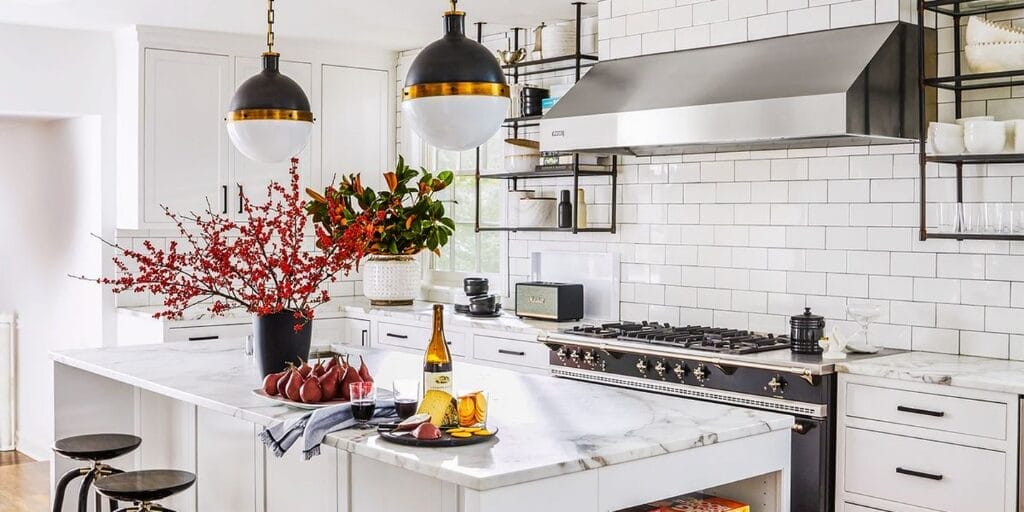
Cleaning and Caring for Your New Cabinets: Tips for Keeping Them Looking Great

Have you ever noticed how good brand-new cabinets look, feel, and smell? You can close the doors quietly, the smooth grain or fresh wood finish catches the light just right, and everything appears to be working fine.
You may have just completed renovating your entire kitchen or upgraded only a single piece, but nothing is going to dampen your spirits!
But the thing is that kitchen cabinets can attract a lot of mess, especially in the form of grease, mystery smudges, and fingerprints. So, how can you make sure that you keep them looking sharp and as good as new?
It is not rocket science. There are some tips on how do you clean kitchen cabinets that you can follow to keep them spotless and clean. Let’s find out what these are.
Cleaning Kitchen Cabinets: Pro Tips For You
1. Understanding the Basics
The first thing you need to do before you can get to scrubbing or spraying is to know the basics of kitchen cabinets. Keep in mind that different cabinet finishes, such as stained wood, painted, laminated, etc, have different care and maintenance needs.
However, there is one principle that is consistent across the board, which is to be as gentle as possible.
If you are going to do a routine kitchen cabinet cleaning, you can use a sponge or a soft microfiber cloth. Dampen it a bit, making sure that you do not soak it all the way, in mild dish soap and some warm water.
Slowly and gently, wipe down the handles, edges, and the entire doors at least once a week. But you can also do it more often if your cooking style is splashier!
2. Focusing on Grease
More often than not, grease is going to be the problem. After all, you may be frying chicken every other day, sautéing your veggies, or making pasta. All these dishes give off steam, which has oils, and those settle down right there on your cabinet doors.
So, what is the trick to this? How to clean grease on kitchen cabinets without scrubbing your arm off? Here is a DIY kitchen cabinet grease cleaner for you.
- 1-part warm water
- 1-part white vinegar
- A few drops of dish soap, preferably something that is often used as the best cleaner for grease on cabinets
Now, mix all of these together in a single spray bottle, shake the solution properly, and spritz on the greasy parts. That is a simple way on how to clean old doorknobs and complete cupboards. Just make sure to let it sit for a couple of minutes, before using a clean cloth to wipe it down.
If the stains are stubborn and do not come off in the first go, try again as needed. After all, this is a non-toxic and cheap solution for everyday use that you cannot go wrong with.
In addition, this grease cleaner smells like salad. But if you are not a fan of vinegar, you can always search for a professional cabinet cleaning solution that is safe for wood surfaces, as well as grease.
3. Small Details Matter
Cleaning kitchen cupboards does not just mean that you focus on the larger slabs. In fact, you would be surprised at the number of bacteria and germs that live atop your cabinet knobs and handles. But how can you clean them without causing any damage?
The first thing to do would be to take your dentist’s advice for your teeth; use a soft toothbrush. Add some mild soap and water solution to it and you are good to go. But keep in mind to avoid anything abrasive, such as steel wood, that could pull off the paint or scratch the finish.
Moreover, if your knobs can be removed, pop them off and soak them in warm water for a while before you get to work scrubbing.
4. What is on the Inside Counts Too
You may not see the interiors of your kitchen cabinets on a daily basis, but they are not out of the reach of grime and grease. Spice spills, oil leaks, and crumbs can cause a mess! But you do not have to fret, because we know just how to clean inside of kitchen cabinets.
- Empty out all the contents of your kitchen cabinets
- Use a small vacuum to get rid of debris or crumbs
- Use the same mild soapy water solution that you made above to wipe down the shelves.
- Give your clean cabinet some time to dry before you put everything back where it belongs.
But if you are looking for something a little stronger, you can always use a diluted vinegar mix, which is mainly two parts water and one part vinegar. It is an excellent cleaning solution for kitchen cabinets, especially the inside.
5. Know When to Deep Clean
You may be cleaning kitchen cupboards on a weekly basis, but that is not enough. You will need to carry out a thorough and deep cleaning every couple of months. Here is how you can do it.
- Remove all the hardware and handles and clean them
- Wipe down the front, sides, as well as the undersides
- Degrease the kitchen cabinets completely, which also includes the top. This is where the grease dust often settles.
- Make a checklist for cleaning kitchen cabinets to help you keep track of what has been done.
Doing a deep cleaning comes with various benefits. One of the primary reasons why you should keep up with this practice is to help you spot any signs of wear and tear early on. This includes water damage, loosening hardware, and peeling paint.
Final Word
There is no one-size-fits-all solution when it comes to cleaning kitchen cupboards. However, you can maintain and extend the life of your furniture and fixtures with the help of some useful cleaning tips, like the ones we have given above.
But remember, whether you are looking to degrease kitchen cabinets or get rid of germs, the key is consistency, gentleness, and the best solution to clean kitchen cabinets.
-
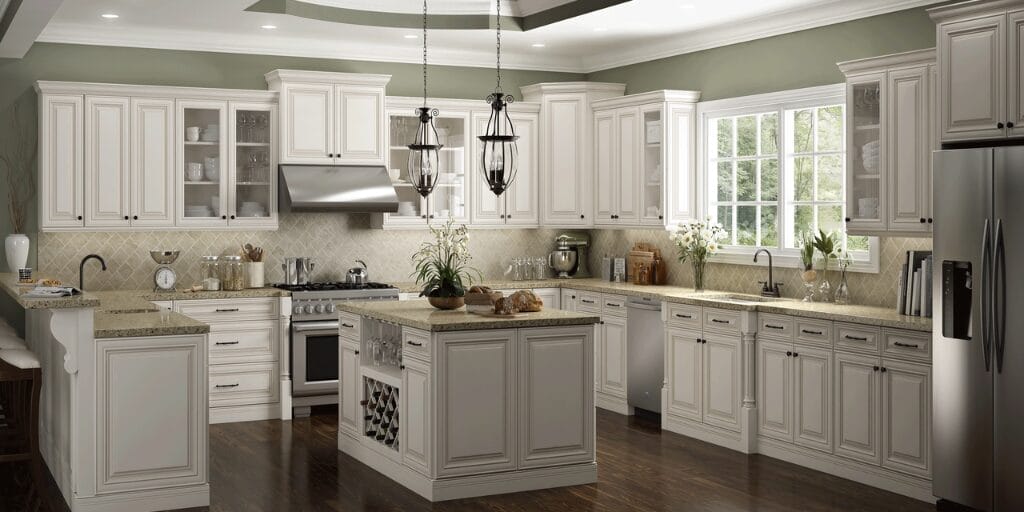
Factors to Consider When Choosing the Lowest Priced RTA Cabinets in the USA

Getting a kitchen makeover on a budget can feel like walking a tightrope. You want quality that doesn’t break, but you’re counting every dollar. That’s where Ready-To-Assemble (RTA) cabinets come in.
They’re a smart pick for those looking to spend less but still want cabinets that last. But not all cheap RTA cabinets are the same. Some may look like a steal but end up being more trouble than they’re worth. This guide breaks it down so you don’t end up with cabinets that cost you more in the long run.
How to Spot Affordable RTA Cabinets That Still Offer Value
Finding the cheapest RTA cabinets doesn’t mean grabbing the first option with a low sticker price. Some are a solid deal. Others? Not so much. It pays to look closer.
You want cabinets that check more than one box: easy setup, solid materials, clean design, and good value kitchen cabinets that don’t fall apart when you breathe on them. Here’s what to watch for:
- Check materials: MDF vs. plywood makes a huge difference.
- Look at hinges and glides: Soft-close is a sign of quality.
- Ask about warranty: Even low-cost cabinets should be backed.
Material Type and Durability
Materials tell you a lot about how long your cabinets will last. Just because you’re on the hunt for low-priced kitchen cabinets doesn’t mean you want something flimsy. Look for these common materials:
- Plywood– Strong and resists warping. A great choice if you want durability.
- MDF– Less expensive but more prone to damage if it gets wet.
- Particleboard – The most budget-friendly but least durable.
A set of RTA walnut cabinets made of plywood can last you years with regular use. Also, walnut shaker cabinets often blend good looks with toughness, and they hide wear well over time.
Design Styles That Keep Costs Down
Some cabinet styles are naturally simpler and cheaper. This doesn’t mean boring, it just means smart. Take shaker cabinets for example. They’re popular because they’re clean and timeless. You don’t need heavy detail to make a kitchen shine. Some styles to look out for:
- Shaker cabinets – Clean lines, easy to paint or stain.
- Flat panel – Ultra-modern and easy to clean.
- Unfinished cabinets – Let you choose your own look later.
The bonus? You can often find the best unfinished RTA cabinets at a lower price. Just add your own finish and save cash.
RTA Assembly and Hardware Quality
Let’s be real: RTA stands for Ready-To-Assemble, but that doesn’t mean every kit is easy to put together. You want a setup that’s simple and not loaded with confusing instructions.
Before you buy, read reviews. See if customers had a hard time putting things together. Also, don’t overlook hardware as it matters. Before diving into a purchase, make sure your RTA set has:
- Clear instructions – Step-by-step with diagrams.
- Durable hardware – Soft-close hinges, metal drawer glides.
- Pre-drilled holes – Saves time and stress.
Buying RTA cabinets is smart, but only if the build process doesn’t turn into a weekend headache.
Color and Finish Options That Add Value
Color can change a kitchen’s entire vibe. You’ll find that some finishes cost more than others. But there are plenty of discount RTA cabinets that come in great shades at no extra cost. Some finishes offer both beauty and budget-friendliness. Here are a few solid picks:
- Mocha color cabinets – Warm, rich, and great at hiding dirt.
- Walnut-stained kitchen cabinets – High-end look without the price tag.
- Inexpensive white kitchen cabinets – Bright and clean, always in style.
- Inexpensive shaker cabinets – Match almost any kitchen design.
Remember, finish affects wear too. Darker stains hide dings better. Lighter ones might need more frequent cleaning.
Price Transparency and What’s Included
It’s easy to get drawn in by a low number. But how much are RTA cabinets really? The listed price might not include shipping, hardware, or extras. That “too good to be true” number might only cover the bare frame. Always ask what comes in the box. Before committing, run through this checklist:
- Is shipping included?
- Are shelves and drawers part of the deal?
- Will you need extra tools?
This is where Frugal Cabinets shines. They offer upfront pricing with no hidden surprises. Many of their options come fully stocked, even if they’re labeled as the cheapest kitchen cabinets online.
Tips Before Buying Cheap RTA Kitchen Cabinets
Not every deal is a good one. A little preparation goes a long way when you’re shopping for the best value kitchen cabinets. Here’s a quick checklist to go through before you hit “buy”:
- Review customer feedback and look for common complaints or repeated praise.
- Measure everything twice and double-check dimensions before placing an order.
- Understand your kitchen needs since you shouldn’t buy a full set if you only need base cabinets.
- Check several sellers and look for any active RTA cabinet sales
- Ask if they have a stock of RTA cabinets, as long lead times can mess up your timeline.
Some of the best builders’ discount cabinets are just a click away. But patience and research save money and headaches down the road.
FAQs
Are RTA cabinets cheaper than custom cabinets?
Yes, RTA cabinets are usually much cheaper due to the DIY assembly.
What are the most affordable cabinet materials?
Particleboard is the cheapest, but plywood is stronger and still affordable.
Can I install RTA cabinets myself?
Yes, most come with instructions for DIY installation.
Do cheap RTA kitchen cabinets last long?
If they’re made of plywood with decent hardware, they can last many years.
Where can I find the best deals on low-cost kitchen cabinets online?
Check suppliers like Frugal Cabinets for quality and honest prices.
Conclusion
Choosing the cheapest RTA kitchen cabinets doesn’t mean settling. With a little thought, you can get inexpensive wood cabinets that look sharp and hold up. Smart shoppers focus on materials, setup, and what’s really in the box.
Need cabinets that won’t wreck your wallet? Check out Frugal Cabinets to get top value, clear prices, and the best-priced cabinets without surprises. Start your kitchen upgrade the right way.
-

How to Find the Lowest Priced RTA Cabinets in the USA?

Getting new kitchen cabinets shouldn’t feel like taking out a second mortgage. For most homeowners, cost matters just as much as looks. That’s where cheap RTA cabinets come in. They’re shipped flat-packed, easy to assemble, and easier on your wallet.
But finding the lowest priced RTA cabinets isn’t always as easy as it sounds. With so many choices online and in stores, it’s easy to feel stuck. This guide will break things down in clear steps to help you find the best value kitchen cabinets without breaking the bank.
Where to Start Your Search for Low Priced Cabinets
Looking for low cost kitchen cabinets? You don’t have to drive around town for days. Most of the best deals are hiding online. But don’t just search “cheapest cabinets online” and pick the first site you see. Do your homework.
Stick With Trusted Online Retailers
You need a seller who’s been around. It is best to look for sites that specialize in discount RTA cabinets and have a track record. Before placing your order, check for:
- Verified customer reviews
- Actual product photos
- Easy-to-understand return policies
- Shipping details (cost, timeframes, etc.)
- Assembly guides or videos
Many of these retailers offer RTA cabinet sales, and you can score solid deals during long weekends or off-season times.
Know What Affects RTA Cabinet Prices
You might be asking, how much are RTA cabinets anyway? There’s no single answer. Prices vary based on materials, style, and size. Some of the main things that impact RTA cabinet prices:
- Type of wood (solid wood vs. MDF)
- Door style (e.g., shaker walnut kitchen cabinets)
- Finish and color (painted vs. stained)
- Custom features (soft-close hinges, extra drawers)
If you’re flexible, you can get good cheap kitchen cabinets that still look like a million bucks.
Key Features to Look For in Affordable RTA Cabinets
Sure, you want RTA cabinets cheap, but you still need quality. Otherwise, you’re throwing money down the drain. Therefore, you need to look for the following features:
Cabinet Style and Finish Matter
The finish and style aren’t just about looks. They change the cost too. But you can still find cheap RTA kitchen cabinets in stylish options like:
- Shaker cabinets colors — clean lines, timeless look
- Mocha cabinets kitchen — warm tone, budget-friendly
- RTA walnut cabinets — upscale look without the price tag
- Inexpensive shaker cabinets — easy to match with any kitchen style
- Light mocha kitchen cabinets — soft tone, hides stains well
If you’re going with walnut shaker cabinets, be sure you’re getting solid or wood-veneer fronts, not just printed laminate.
Choose In-Stock and Clearance Options
You want fast and cheap options? Go for in stock RTA cabinets or check out clearance RTA cabinets. These are usually overstocked items or discontinued lines that need to move fast. Before you commit, look for:
- Full product details (especially dimensions)
- Whether they’re flat-packed or partially assembled
- Limited-time discounts or shipping deals
These low priced kitchen cabinets often sell out quickly, so don’t wait too long.
Tricks to Save More When Buying Cheap RTA Cabinets
If you’re after the best price, timing and smartness go a long way. You don’t need to settle for poor quality. Before we get into the list, here’s the simple truth: deals are everywhere if you know where to look. Here are some tips to help you find the right RTA cabinets at a cheap price:
- Buy in bulk — If you’re doing a full kitchen, bundle your order
- Look for overstock deals — Stores clear out space for new models
- Avoid too many upgrades — Soft-close drawers sound cool, but cost more
- Stick to standard sizes — Custom sizes are more expensive
- Ask for coupons — Many retailers offer hidden deals if you ask
Best cheap cabinets don’t mean ugly or weak. It just means you’ve shopped smart.
Common Pitfalls to Avoid When Buying Online
Buying cabinets online is simple. However, it’s also easy to mess up. That deal that looks too good? It probably is. Before getting your wallet out, keep these warning signs in mind.
- No clear return policy
- No customer service number
- Unrealistic delivery dates
- Sketchy website with spelling errors
- No actual product photos
You’re looking for good, inexpensive kitchen cabinets, not a scam. So slow down and double-check before clicking “Buy.”
Smart Buyers Stick With Frugal Choices
Don’t let big box stores fool you into spending more. Frugal Cabinets and others like them offer better builder cabinets at lower prices. They stock all the favorites:
- Frontier cabinets for simple, tough kitchens
- Shaker walnut kitchen cabinets for a clean but rich vibe
- Inexpensive base cabinets that hold up under heavy use
- Custom walnut cabinets without breaking your budget
With cabinets of high-quality and low prices, you get solid materials and sharp designs at a fraction of showroom prices.
Conclusion
Getting low cost cabinets doesn’t mean you have to sacrifice style or quality. With a little patience and smart shopping, you can find cheap RTA kitchen cabinets that look great and last years. Look for clearance RTA cabinets, use coupons, and don’t fall for overpriced upgrades. Visit Frugal Cabinets today for the best prices and quality on RTA cabinets!
FAQs
Are RTA cabinets cheaper than pre-assembled ones?
Yes. They skip the assembly labor, saving you money.
What is the best wood for RTA cabinets?
Solid birch or walnut stained kitchen cabinets are strong and stylish.
How long do RTA cabinets last?
Well-built affordable RTA cabinets can last over 15 years if maintained.
Can I assemble RTA cabinets myself?
Yes. Most come with instructions, and tools like a drill and screwdriver are usually enough.
Who makes the best RTA kitchen cabinets?
Look for companies with good reviews and offer top rated RTA cabinets like Frugal Cabinets.
-
How Digital Narratives Shape Modern Cultural Identities
Building upon the foundational understanding of The Role of Myth and Technology in Modern Behavior, it becomes evident that digital narratives are not merely new storytelling tools but are actively involved in shaping collective perceptions, values, and identities. Just as traditional myths served as behavioral blueprints for ancient societies, modern digital stories continue this legacy within the digital age, influencing how individuals and communities perceive themselves and others.
1. Introduction: From Mythical Origins to Digital Narratives
Myths have historically served as fundamental frameworks for understanding the world, encoding societal values and guiding behavior through compelling stories. From ancient Greek epics to indigenous legends, these narratives created shared identities and moral codes. Today, digital platforms have emerged as new arenas for myth-making, where stories spread rapidly, evolve dynamically, and influence cultural perceptions on a global scale. The evolution from oral storytelling to digital narratives signifies a transformation in how humans construct and disseminate collective identities, reflecting technological advancements that extend the reach and complexity of storytelling.
Contents
2. The Evolution of Narrative Forms: From Oral Traditions to Digital Media
Historically, storytelling began as oral traditions, where myths and legends were transmitted verbally across generations. These oral narratives fostered a sense of shared identity and moral understanding within communities. The advent of writing systems allowed for the preservation and dissemination of stories across wider audiences, leading to the emergence of written literature and visual storytelling such as cave paintings and later, illuminated manuscripts.
In the digital age, social media platforms, memes, and viral content have taken on roles akin to contemporary myths—short, impactful stories that circulate rapidly, shaping perceptions and cultural norms. For example, internet memes often serve as humorous yet poignant symbols of societal values, acting as modern-day mythic figures that encode collective beliefs in a highly accessible format.
Technological innovations, such as virtual reality (VR) and augmented reality (AR), are further expanding storytelling complexity, enabling immersive experiences that deepen emotional engagement and foster stronger identification with digital narratives. These tools allow individuals to partake actively in myth-making, blurring the lines between creator and audience, and thereby transforming storytelling into a participatory cultural practice.
3. Digital Narratives as Modern Mythologies
Digital mythologies are structured collections of stories, symbols, and characters that circulate within online communities, functioning similarly to traditional myths. They embody shared values, fears, hopes, and social norms, often reinforced through repeated narratives and symbolic artifacts.
Case studies of digital mythologies include the enduring popularity of superhero universes like Marvel and DC, which create complex mythic worlds that resonate globally. Another example is the viral narrative of the “Doge” meme, which encapsulated internet culture’s humor and irreverence, becoming a symbol of digital community identity.
User-generated content plays a critical role by constantly reshaping these digital mythologies. Online platforms enable individuals to contribute stories, symbols, and interpretations, fostering a collective mythic consciousness that evolves with societal trends, technological developments, and cultural shifts.
4. The Psychology of Digital Myth-Making
Digital stories significantly influence subconscious beliefs and values, often operating through emotional resonance and social validation. For example, narratives shared within social media groups can reinforce collective identities and moral standards, shaping individual perceptions aligned with group norms.
The immersive and interactive nature of digital storytelling enhances this effect. Through gamification, virtual worlds, and participatory narratives, users form stronger emotional bonds with digital mythic figures, facilitating identity formation and behavioral alignment. Research indicates that interactive stories can activate mirror neurons, fostering empathy and moral engagement similar to that elicited by traditional myths.
Compared to traditional myths, which often relied on oral memorization and ritual participation, digital myth-making is more accessible and adaptable, allowing for rapid dissemination and personalization. This shift enables a broader psychological impact, influencing societal values at a faster pace and on a larger scale.
5. Cultural Identity and Digital Communities
Online subcultures form around shared digital mythic narratives, creating virtual communities that reinforce specific identities. For instance, gaming communities often develop their own mythologies—heroes, quests, and moral codes—that define their cultural landscape.
Digital rituals and symbols—such as emojis, hashtags, and memes—serve as new signifiers of group membership and cultural belonging. These symbols function as modern equivalents of traditional rituals, fostering a sense of collective identity and continuity within digital spaces.
On a broader scale, digital narratives influence national and global identities. Movements like #BlackLivesMatter or climate change activism harness digital storytelling to craft shared mythic visions of justice and sustainability, shaping perceptions and actions across borders.
Aspect Digital Mythic Element Symbols Emojis, hashtags, memes Rituals Online challenges, virtual protests Narratives Hashtag campaigns, viral stories 6. Ethical and Societal Implications of Digital Narratives
While digital narratives can foster community and cultural continuity, they also pose significant challenges. The rapid spread of misinformation and propaganda can create digital myths that distort reality, influencing public perceptions and behaviors based on falsehoods.
This phenomenon complicates notions of authenticity and trust in digital storytelling. For example, deepfake technology and manipulated images can generate convincing yet fabricated narratives, undermining the credibility of digital content and eroding societal trust.
Furthermore, digital myths may reinforce stereotypes or marginalize groups if not critically examined. An example is the propagation of conspiracy theories that reinforce cultural stereotypes or fuel societal divisions.
“The power of digital myths lies in their ability to shape perceptions swiftly—making critical digital literacy essential to navigate and challenge their influence.”
7. The Future of Digital Narratives and Cultural Identity
Emerging technologies such as virtual reality (VR), augmented reality (AR), and artificial intelligence (AI) are poised to revolutionize storytelling further, offering immersive and personalized myth-making experiences. These innovations enable users to craft their own mythic narratives, participate actively in cultural creation, and foster diverse representations that challenge traditional stereotypes.
Inclusive storytelling facilitated by AI and VR can promote cultural diversity, allowing marginalized voices to contribute to global mythologies. For example, VR experiences can simulate cultural rituals or historic events, fostering cross-cultural understanding and empathy.
However, these technologies also carry risks, such as the potential for digital echo chambers and manipulation. Ensuring that digital narratives serve to enrich cultural identities rather than fragment or distort them remains a central challenge.
Overall, the trajectory points toward a future where digital myth-making is more participatory, diverse, and technologically sophisticated—shaping human behavior and collective beliefs in unprecedented ways.
8. Bridging Back to the Parent Theme: Myth, Technology, and Behavior in the Digital Age
Reflecting on the evolution of storytelling from ancient myths to digital narratives reveals a continuous thread: the use of stories as powerful behavioral influences. Digital narratives extend this legacy, now amplified by technological innovations that facilitate rapid dissemination and participatory creation.
As The Role of Myth and Technology in Modern Behavior indicates, these stories shape subconscious beliefs, reinforce social norms, and influence collective actions. The interconnectedness of myth, technology, and human behavior underscores the importance of critical engagement with digital narratives.
Understanding this dynamic allows us to harness the positive potential of digital storytelling—fostering inclusive, diverse, and empowering mythologies—while remaining vigilant against misinformation and cultural stereotyping. The future of digital narratives hinges on our ability to balance technological innovation with ethical responsibility, ensuring they serve as catalysts for enriching cultural identities rather than divisive tools.
-
How Pattern Recognition Shapes Modern Design and Symbols
Pattern recognition is fundamental to human cognition, enabling us to interpret complex visual stimuli rapidly and efficiently. It allows individuals to identify familiar shapes, symbols, and sequences, forming the basis of cultural communication and aesthetic appreciation. Recognizable patterns facilitate quick decision-making and foster emotional connections, profoundly influencing modern design practices across digital and physical media.
Table of Contents- Cognitive Foundations of Pattern Recognition
- Pattern Recognition as a Driving Force in Modern Design
- Symbols and Cultural Significance of Patterns
- The Power of Multipliers in Pattern Design
- Modern Examples of Pattern Recognition in Design
- Non-Obvious Perspectives: Pattern Recognition and User Behavior
- Future Trends: Evolving Patterns and Symbols in a Digital Age
- Conclusion: The Symbiosis of Pattern Recognition and Modern Design
Cognitive Foundations of Pattern Recognition
How the brain processes visual stimuli efficiently
The human brain is inherently wired to recognize patterns rapidly, a trait that evolved to enhance survival. Neural mechanisms such as the visual cortex’s ability to detect edges, shapes, and sequences enable us to interpret complex scenes and symbols almost instantaneously. This efficiency in processing underpins both our everyday interactions and the development of cultural symbols, forming a core component of visual literacy.
The significance of left-to-right processing and its impact on design readability
In many cultures, especially those using Latin scripts, the left-to-right reading pattern influences how designs are perceived. This directional bias affects the placement of visual elements, ensuring that information flows naturally and intuitively. Recognizable patterns aligned with this processing flow enhance comprehension, making interfaces and symbols more accessible.
Psychological effects of pattern repetition and familiarity
Repetition of patterns fosters familiarity, which in turn reduces cognitive load and builds trust. For example, consistent use of geometric motifs in branding creates a sense of reliability and professionalism. Psychological studies indicate that familiarity activates reward centers in the brain, making repeated patterns a powerful tool in design to evoke positive responses.
Pattern Recognition as a Driving Force in Modern Design
Creating intuitive interfaces through recognizable patterns
Designing digital interfaces that leverage familiar patterns—such as grid layouts or iconography—helps users navigate effortlessly. For example, the ‘hamburger menu’ icon has become a universal pattern indicating navigation, reducing confusion and increasing usability across diverse user bases.
The use of geometric and symbolic patterns in branding and logos
Brands often incorporate geometric shapes and symbols that tap into collective recognition. The Nike swoosh, for instance, symbolizes movement and speed through a simple, recognizable pattern. Such visual cues facilitate quick brand recall and emotional connection, critical in competitive markets.
Examples of successful pattern-based designs in digital and physical products
Product Pattern Use Impact Apple Devices Minimalist grid layouts, consistent iconography Enhances brand recognition and user trust Coca-Cola Packaging Distinctive wave patterns and color schemes Strong visual identity and emotional appeal Symbols and Cultural Significance of Patterns
Historical evolution of symbols shaped by pattern recognition
Throughout history, patterns have formed the foundation of symbols that convey meaning across cultures. From ancient tribal motifs to religious iconography, repetitive shapes and arrangements encode stories, beliefs, and social status. Recognizable patterns allowed early societies to communicate complex ideas visually, laying the groundwork for modern symbolic language.
How cultural context influences pattern interpretation
The same pattern can evoke different interpretations depending on cultural background. For instance, a circular pattern might symbolize eternity in one culture, while representing the sun in another. Designers must consider these nuances to ensure symbols resonate universally or target specific audiences accurately.
Case study: The significance of wild cards and their historical introduction in poker (1875 in Kansas) as an example of evolving symbolic patterns
A compelling example of pattern evolution is the introduction of wild cards in poker. In 1875 Kansas, players began to accept certain cards as ‘wild,’ symbolizing adaptability and unpredictability. This change transformed the game’s dynamics and introduced new symbolic patterns of chance and strategy. Today, wild cards exemplify how symbols and patterns adapt over time, influencing cultural perceptions of luck and skill. For insights into strategic decision-making, including calculating winning approaches, visit how to calculate way wins.
The Power of Multipliers in Pattern Design
Concept of exponential growth in pattern recognition and design impact
Patterns can create multiplicative effects in perception. When a pattern is repeated or combined with variations, it leads to exponential growth in visual impact. For example, a simple motif multiplied across a surface can evoke a sense of complexity and richness, amplifying engagement without additional elements.
Psychological effect: 3x multipliers feeling 9x more exciting, and its application in visual design
The psychological phenomenon where repeated patterns or layered multipliers feel disproportionately more exciting is rooted in the brain’s response to familiarity and anticipation. This principle is used in visual design by stacking or multiplying motifs, such as in textile patterns or digital backgrounds, to enhance excitement and memorability.
Leveraging pattern multipliers to enhance visual engagement and memorability
Designers can utilize pattern multipliers strategically to create memorable visuals. For instance, branding often employs a recurring motif in packaging, logos, and advertising to reinforce recognition. This repetition, combined with subtle variations, sustains viewer interest and embeds the pattern into collective memory.
Modern Examples of Pattern Recognition in Design
Wild Jokers as a modern illustration of pattern variation and unpredictability
The Wild Jokers in contemporary card games exemplify how pattern variation and unpredictability can enhance engagement. Unlike traditional fixed patterns, Wild Jokers introduce elements of surprise, challenging players to adapt strategies dynamically. This concept resonates with modern design principles that favor flexibility and innovation, illustrating how timeless ideas adapt to current contexts.
Use of recurring motifs in branding (e.g., logos, packaging) to foster recognition
Recurring motifs such as the FedEx arrow or Adidas stripes demonstrate how patterns foster brand recognition. These motifs leverage subconscious pattern recognition, allowing consumers to identify brands instantly, often after only brief exposure. Repetition of such visual cues creates a cohesive identity that endures over time.
Digital interfaces employing familiar patterns for user experience optimization
In digital interfaces, the use of familiar patterns like grids, icons, and navigation flows improves usability. For example, the consistent placement of icons across different apps reduces cognitive effort, making interactions intuitive. This approach relies on our brain’s ability to recognize and respond to established patterns quickly.
Non-Obvious Perspectives: Pattern Recognition and User Behavior
How pattern recognition influences user decision-making and trust
Users tend to trust and prefer interfaces that utilize consistent patterns, as they signal reliability and predictability. Recognizable patterns in security icons or transaction flows reassure users, influencing their decision-making processes. This subconscious trust stems from our brain’s preference for patterns that reduce uncertainty.
The subconscious role of pattern familiarity in brand loyalty
Repeated exposure to familiar patterns fosters subconscious recognition, strengthening emotional bonds with brands. For example, consistent color schemes and motifs in packaging lead to habitual purchasing and brand loyalty, often without active awareness of the pattern’s influence.
Implications for designing inclusive and accessible symbols and patterns
Designing for accessibility involves creating patterns and symbols recognizable by diverse audiences, including those with visual impairments. High contrast, simple shapes, and culturally neutral patterns enhance inclusivity, ensuring that pattern recognition supports equitable access to information and services.
Future Trends: Evolving Patterns and Symbols in a Digital Age
The emergence of adaptive and dynamic pattern designs
With advancements in technology, patterns are becoming more adaptive and responsive. Dynamic designs that change based on user interaction or environmental factors create more personalized experiences, as seen in smart interfaces and responsive branding elements.
The influence of artificial intelligence in pattern creation and recognition
Artificial intelligence (AI) is revolutionizing pattern generation, enabling the creation of complex, data-driven designs that can adapt in real-time. AI also enhances pattern recognition capabilities, facilitating personalized content delivery and improved user experiences.
Potential shifts in cultural symbolism and pattern interpretation with technological advances
As technology blurs cultural boundaries, symbols and patterns may evolve in meaning. Virtual reality and augmented reality offer new canvases for pattern expression, potentially leading to universal visual languages that transcend traditional cultural interpretations.
Conclusion: The Symbiosis of Pattern Recognition and Modern Design
“Understanding how our brains recognize and interpret patterns is essential for creating compelling, intuitive, and culturally resonant designs. From ancient symbols to modern digital interfaces, patterns shape our visual culture and influence behavior in profound ways.”
As demonstrated throughout this exploration, pattern recognition is not merely a cognitive process but a driving force behind the evolution of symbols and modern design. Whether through the timeless appeal of geometric motifs or innovative adaptive patterns, leveraging these principles enables designers to craft experiences that are both functional and emotionally engaging. The example of Wild Jokers illustrates how timeless principles of pattern variation and unpredictability continue to inspire contemporary creativity, highlighting the enduring power of patterns in shaping our visual culture.
-
La magie des processus stochastiques : de Mersenne à Fish Road
Introduction : La fascination des processus stochastiques dans la culture française
Les processus stochastiques, ou processus aléatoires, occupent une place centrale dans l’histoire des mathématiques et des sciences, tant par leur capacité à modéliser l’imprévisible que par leur rôle dans le progrès technologique. En France, cette fascination remonte à plusieurs siècles, avec des figures emblématiques telles que Marin Mersenne, pionnier dans la recherche de nombres premiers, et Henri Poincaré, qui a posé les bases de la théorie du chaos.
Leur héritage continue aujourd’hui à influencer la science moderne, notamment à travers des applications concrètes dans la cryptographie, la modélisation économique ou encore l’analyse des signaux. Dans cet article, nous explorerons la magie derrière ces processus, illustrée par des exemples contemporains comme Lire l’article complet sur Fish Road, un phénomène numérique illustrant parfaitement ces principes.
Table des matières
- Les fondamentaux des processus stochastiques : entre hasard et déterminisme
- L’héritage historique français dans l’étude des processus aléatoires
- La magie mathématique derrière la synthèse des signaux : l’analyse de Fourier
- La complexité des problèmes cryptographiques : du logarithme discret à la sécurité numérique
- La série de Taylor et l’approximation : une magie mathématique accessible
- Fish Road : un exemple contemporain de processus stochastique dans la culture populaire
- La dimension culturelle et éducative des processus stochastiques en France
- Conclusion : La magie des processus stochastiques, un héritage à la croisée de l’histoire, de la science et de la culture française
Les fondamentaux des processus stochastiques : entre hasard et déterminisme
Les processus stochastiques désignent des phénomènes qui évoluent selon des lois probabilistes, mêlant hasard et régularité. Leur étude repose sur des principes clés tels que la convergence vers des distributions stables, l’indépendance des événements, et la mémoire limitée ou infinie du processus.
Par exemple, la marche aléatoire, modèle simple où un point avance ou recule selon un lancer de pièce, illustre comment le hasard peut produire des trajectoires apparemment chaotiques mais sous-tendues par des lois statistiques. De même, le processus de Poisson modélise la survenue d’événements rares, comme des éclairs ou des appels téléphoniques, avec une régularité probabiliste.
Exemples classiques illustrant la stochastique
- La marche aléatoire : modélise la trajectoire d’un particule ou d’un agent économique.
- Le processus de Poisson : utilisé pour la modélisation des événements dans le temps ou l’espace.
L’héritage historique français dans l’étude des processus aléatoires
La France a joué un rôle déterminant dans le développement des concepts liés au hasard et à la complexité. Marin Mersenne, au XVIIe siècle, s’est intéressé à la recherche de nombres premiers, un processus probabiliste à ses débuts, en utilisant des méthodes combinatoires et analytiques pour déchiffrer cette énigme mathématique.
Plus tard, Henri Poincaré, considéré comme l’un des pères de la théorie du chaos, a montré comment des systèmes déterministes peuvent produire des comportements imprévisibles et stochastiques, établissant un lien essentiel entre déterminisme et hasard. Son travail a influencé la modélisation des phénomènes naturels, des météorologies aux marchés financiers.
L’impact de ces figures françaises demeure palpable dans la recherche contemporaine, notamment dans le développement de modèles stochastiques pour la physique, l’économie ou l’informatique.
La magie mathématique derrière la synthèse des signaux : l’analyse de Fourier
L’analyse de Fourier permet de décomposer un signal périodique en une somme de sinusoïdes de différentes fréquences, amplitudes et phases. Cette technique, essentielle en mathématiques, relie la théorie aux applications concrètes en physique et en ingénierie.
En France, cette méthode est à la base de nombreuses innovations, notamment dans la musique, où elle permet d’analyser et de synthétiser des sons, ou dans les télécommunications, pour la compression et la transmission de données. La détection de signaux faibles en environnement bruyant, comme en astronomie ou en sécurité, repose également sur cette magie mathématique.
La diversité des usages culturels français témoigne de l’intégration profonde de la transformée de Fourier dans notre quotidien, du cinéma aux technologies numériques.
La complexité des problèmes cryptographiques : du logarithme discret à la sécurité numérique
La sécurité des communications numériques repose en partie sur la difficulté de résoudre certains problèmes mathématiques, comme le logarithme discret dans un groupe cyclique. Ce problème, considéré comme difficile pour un ordinateur classique, constitue la clé de la cryptographie moderne.
L’algorithme Pollard’s rho, développé en France, a permis d’accélérer la résolution de tels problèmes, influençant la sécurité des systèmes cryptographiques. La compréhension de ces défis est essentielle pour garantir la confidentialité des données personnelles, notamment en France et dans l’Union européenne, dans un contexte où la cybercriminalité ne cesse de croître.
La série de Taylor et l’approximation : une magie mathématique accessible
La série de Taylor permet d’approcher des fonctions complexes comme e^x par une somme infinie de termes polynomiaux. Sa convergence rapide facilite les calculs dans de nombreux domaines scientifiques et technologiques, notamment en France.
Par exemple, dans la modélisation économique ou la simulation scientifique, cette méthode permet d’obtenir rapidement des résultats précis, essentiels pour l’innovation. Les logiciels français, comme ceux développés par des institutions comme l’INRIA, exploitent cette approximation pour accélérer les calculs.
Une application concrète : lors du développement d’algorithmes pour l’intelligence artificielle ou la finance, la série de Taylor est un outil précieux pour optimiser la performance.
Fish Road : un exemple contemporain de processus stochastique dans la culture populaire
Fish Road est un jeu vidéo récent qui illustre parfaitement l’utilisation moderne des processus stochastiques. Son concept repose sur des éléments de hasard, de stratégie et d’évolution aléatoire, créant une expérience immersive où le joueur navigue dans un univers numérique fluide et imprévisible.
L’analyse du processus derrière Fish Road révèle une dynamique stochastique où chaque décision influence la progression, tout en étant soumise à des événements aléatoires. Cette approche témoigne de la capacité de la magie mathématique à se transposer dans la culture populaire, notamment dans la culture numérique française, à travers des jeux vidéo et des expériences interactives.
Pour découvrir cet exemple moderne, il suffit de visiter Fish Road, une plateforme où la magie des processus aléatoires se mêle à la créativité numérique.
La dimension culturelle et éducative des processus stochastiques en France
La France investit activement dans la vulgarisation et l’éducation aux mathématiques, notamment à travers des initiatives comme Les Petits Débrouillards ou les programmes scolaires innovants. Ces efforts visent à rendre accessible la complexité des processus stochastiques, en suscitant la curiosité dès le plus jeune âge.
Les grands noms français, tels que Poincaré ou Laurent Schwartz, inspirent encore aujourd’hui la pédagogie moderne, en insistant sur l’importance de la visualisation, de l’expérimentation et de la réflexion critique.
Des projets comme Fish Road participent également à cette transmission, en mêlant divertissement et apprentissage, pour faire découvrir la magie des lois de l’aléatoire à un large public.
Conclusion : La magie des processus stochastiques, un héritage à la croisée de l’histoire, de la science et de la culture française
En retraçant l’histoire et les applications modernes des processus stochastiques, il apparaît clairement que cette magie mathématique est profondément ancrée dans notre héritage culturel et scientifique. Des travaux de Mersenne à ceux de Poincaré, en passant par l’innovation numérique illustrée par Fish Road, la France continue d’explorer et d’enseigner cette fascinante intersection entre hasard et déterminisme.
Les perspectives d’avenir incluent l’intelligence artificielle, la sécurité numérique et la modélisation climatique, autant de domaines où la maîtrise des processus aléatoires sera cruciale. Cependant, ces avancées soulèvent également des enjeux éthiques, notamment en termes de transparence et de responsabilité.
« La magie des processus stochastiques ne réside pas seulement dans leur complexité, mais dans leur capacité à révéler l’ordre caché derrière le chaos apparent de notre univers. »
Nous invitons chaque lecteur à explorer cette magie, présente dans la vie quotidienne et dans chaque phénomène aléatoire, pour mieux comprendre et apprécier l’héritage scientifique et culturel français.
-

Top Accessories to Upgrade Your Kitchen Cabinets

A kitchen must serve you instead of resisting your efforts to function effectively. Cluttered, outdated, and difficult-to-access cabinets get in the way of simple tasks which require finding pans or spices. The good news? A significant transformation can happen without requiring complete renovations.
The appropriate accessory choices create enhanced functionality alongside better organization, along with upgraded looks. Whatever improvements you wish to achieve among organization ease and interior look should serve as your goal.
Small modifications help your cabinets improve while giving your cooking environment a complete change. In this article, we’ll discuss the top accessories to upgrade your kitchen cabinets.
Transform Your Kitchen with Smart Cabinet Upgrades
Your storage units must serve your needs instead of creating obstacles. Making appropriate modifications to kitchen cabinets enables you to develop an elegant, organized environment with improved accessibility. The implemented modifications to kitchen cabinets will simultaneously produce excellent storage solutions while adding vibrant styles to your kitchen.
Smart Storage Solutions for an Organized Space
Messy cabinets make cooking harder than it should be. A few well-chosen storage accessories can turn chaos into order. These kitchen cabinet upgrades help you store more, find what you need faster, and make the most of every inch of space. That being said, you can go for the following options:
- Pull-out shelves – No more bending down and blindly reaching for pots buried in the back. These shelves slide out so you can grab what you need without hassle.
- Lazy Susans– Perfect for deep corner cabinets. Just spin the shelf, and your spices, oils, or canned goods are within reach.
- Drawer dividers– Keep cutlery, measuring spoons, and cooking tools neatly separated so they don’t jumble together.
- Tray and baking sheet organizers– No more unstable stacks of cookie sheets and muffin tins falling over when you try to grab one.
- Under-sink pull-out bins– Cleaning supplies stay tidy, and you don’t have to dig around under the sink.
Accessibility Upgrades for Convenience
Upgrading your kitchen cabinet should be considered when either reaching upper cabinets becomes a chore or you experience noisy, difficult-to-close drawers. The enhancements make kitchen cabinets more functional, together with contemporary convenience elements. Here are some changes you can make:
- Soft-close hinges and drawer slides – Slamming doors and drawers aren’t just annoying; they wear out cabinets faster. Soft-close features eliminate noise and protect your cabinets.
- Lift-up cabinet doors– If you have overhead cabinets that get in your way, lift-up doors make opening and closing effortless.
- Toe-kick drawers– The small space at the bottom of your cabinets is often wasted. Adding a hidden drawer here provides extra storage for items like baking mats and trays.
- Pull-down racks– Struggling to reach the top shelf? A pull-down rack brings items down to eye level with a simple pull.
Aesthetic Enhancements for a Fresh Look
Upgrading cabinets isn’t just about storage. Sometimes, a visual refresh is all you need. The right accessories can turn dull cabinets into a stylish focal point. And it shouldn’t be too fancy as the small changes mentioned below should be enough:
- Under-cabinet lighting – Brightens up workspaces and adds a warm, inviting glow to your kitchen.
- Decorative cabinet hardware– Swapping out old knobs and pulls is one of the fastest ways to enhance kitchen cabinets without major changes.
- Glass cabinet inserts– Instead of solid cabinet doors, glass inserts create an open, airy feel and allow you to display beautiful dishes or glassware.
- Open shelving add-ons– If you want a more modern look, removing a few cabinet doors and replacing them with open shelving can make a big impact.
- Crown molding and trim– Adding trim or molding to your cabinets gives them a high-end, custom-built appearance.
Specialty Add-Ons for Extra Convenience
Some accessories go beyond storage and aesthetics. They bring efficiency and ease to everyday tasks. If you’re wondering how to upgrade kitchen cabinets for a better cooking experience, these add-ons make a difference. Adding the following add-ons will also increase your overall convenience:
- Built-in charging stations – Keep phones and tablets charged without cluttering your counters with cords.
- Pull-out trash and recycling bins– Hides waste bins out of sight while keeping them easily accessible.
- Spice pull-outs– Narrow pull-out shelves designed specifically for spices make it easy to find exactly what you need.
- Knife drawer inserts– Keep sharp knives stored safely in a dedicated space instead of in a cluttered drawer.
- Integrated cutting boards– Some updated kitchen cabinets include built-in cutting boards that slide out when needed.
Maintenance Tips for Long-Lasting Cabinets
No matter how many upgrades you make, cabinets need care to stay in top shape. Keep your updated kitchen cabinets looking and functioning their best with these simple maintenance tips.
- Wipe down doors and drawers regularly – Grease and dust build up over time. A damp cloth keeps surfaces clean.
- Use shelf liners – Protects cabinets from spills and scratches, especially in high-use areas.
- Check hinges and slides– If doors or drawers start sticking, a quick adjustment can prevent long-term damage.
- Avoid overloading shelves– Heavy items can warp shelves over time. Distribute the weight evenly to keep the cabinets sturdy.
- Refresh with polish or paint – If cabinets start to look worn, a coat of polish or fresh paint keeps them looking new.
Conclusion
The rearrangement of several kitchen cabinet elements creates more order, better accessibility, and improved appearance. Available accessories from Frugal Cabinets will enhance the functionality and appearance of kitchen storage while avoiding the need for complete renovation work.
Frugal Cabinets provides superior products that serve to transform your living space automatically. The collection on the site serves as your starting point to discover kitchen cabinets that match your daily needs.
FAQs
What are the best budget-friendly ways to update cabinets?
Upgrading your kitchen with new hardware and adding lights together with installing shelf organizers provides spectacular style combined with functional improvements at an affordable price.
What are several methods to increase the functionality of my cabinets?
Shelves that pull out and dividers, along with soft-close features, help people handle cabinets better and utilize available storage areas more effectively.
What is the quickest method to upgrade kitchen cabinets without performing a replacement?
The combination of painting with handle replacements and glass substitution and molding application produces contemporary upgraded cabinets.
Are there storage solutions for small kitchens?
Yes! The area below the cabinets contains toe-kick drawers and pull-out shelves, while hanging storage hooks optimize spaces with restricted dimensions.
Do I need professional help for a kitchen cabinet upgrade?
New hardware installations, coupled with pull-out shelving systems, are basic projects that most homeowners complete themselves. Professional help becomes necessary to install crown molding, along with other major changes.
-

How to Care for and Maintain Your Wooden Cabinets?

Wooden cabinets benefit home interiors greatly, providing both warmth and interesting characteristics. Since wooden cabinets represent a major element of the space, their proper maintenance is essential.
However, time brings about damage from grease, dirt, and moisture accumulation on surfaces. Any wood cabinet needs suitable care to preserve its durability because neglect results in premature fading and quicker aging.
That’s why cabinet maintenance isn’t something to ignore. Regular cleaning and simple upkeep can keep them looking great for years. The good news? It doesn’t take much effort. A few habits and the right products can make all the difference. Let’s go over how to keep them in top shape.
7 Essential Tips for Long-Lasting Wooden Cabinets
Proper care keeps wooden cabinets looking great for years. From cleaning wood kitchen cupboards to protecting kitchen cabinets from damage, small habits make a big difference. On that note, here are seven tips to maintain your wooden cabinets.
1. Daily and Weekly Cleaning
A quick routine helps prevent buildup that can be tough to remove later. Cleaning wood kitchen cabinets regularly makes deep cleaning easier and keeps them looking fresh. Plus, you don’t have to put in a lot of hard work as all that is required are few things, such as
- Use a soft, damp cloth to wipe off dust and crumbs
- Avoid soaking the wood; excess water can damage the finish
- For spills, wipe immediately to prevent stains from setting
- Microfiber cloths work best for picking up dirt without scratching
- For light cleaning, use mild dish soap mixed with warm water
If you’re wondering what to use to clean kitchen wood cabinets, a simple solution of water and dish soap often does the trick. This method is gentle yet effective for most messes.
2. Deep Cleaning for Stubborn Grime
Over time, grease and grime build up, especially near cooking areas. Degreasing wood kitchen cabinets requires more effort but doesn’t have to be difficult. Just follow these steps:
- Mix vinegar and water for a natural degreaser
- Use baking soda for tough spots and gently scrub with a sponge
- Try commercial wood cabinet cleaners for sticky residue
- Avoid ammonia-based cleaners that can damage the wood
- Rinse with a damp cloth to remove any cleaner residue
If you’re thinking about how to clean wood cabinets in the kitchen without harming the finish, stick to non-abrasive options. Harsh chemicals strip away the protective coating and make the wood dull.
3. Maintaining the Finish
The wooden surface receives protection from the finish which gradually deteriorates with time. An intact finish stands as the main method to safeguard kitchen cabinets against moisture and stains. The following strategies will help preserve the initial shine of your surface:
- Apply furniture polish occasionally to maintain the sheen
- Use beeswax or mineral oil to nourish the wood
- Buff the surface gently with a dry cloth to restore shine
- Check for cracks or peeling and touch up as needed
- Avoid silicone-based sprays that leave behind a sticky residue
If you’re wondering what is a good cleaner for wood cabinets, look for oil-based or natural wax solutions. These help preserve the wood without causing buildup.
4. Handling Stains and Discoloration
Accidents happen, and stains can ruin the look of plain wood cabinets if left untreated. The right method depends on the type of stain. Here is what you should do:
- For water stains, use mayonnaise and let it sit before wiping
- Ink stains lift with baking soda paste; scrub lightly
- Grease spots fade with dish soap; wipe with a soft cloth
- Dark spots lighten with hydrogen peroxide; apply sparingly
- Scuffs and scratches blend in with a walnut and rub it over the mark
These simple tricks work well for most common stains. If discoloration is widespread, refinishing might be needed.
5. Seasonal Care and Inspections
A little extra care throughout the year can prevent major repairs. Cleaning wooden kitchen units should be part of seasonal maintenance. All you have to do is:
- Check for loose hinges and tighten screws as needed
- Inspecting for water damage under sinks and near dishwashers
- Re-seal the wood if needed to maintain its protective layer
- Adjust doors if they’re misaligned to prevent uneven wear
- Clean behind and inside to remove dust buildup
A seasonal check ensures everything stays in working order. If issues are caught early, fixing them is easier.
6. Choosing the Best Cleaning Products for Wooden Cabinets
With so many options out there, knowing what to clean wooden cabinets with can be confusing. The best products are gentle and effective. You can consider using any one of the following products:
- Oil soap cleaners remove grime without stripping the finish
- White vinegar and water offer a natural alternative
- Mild dish soap solutions handle everyday messes
- Commercial wood cabinet cleaners work for stubborn spots
- Beeswax-based polishes help keep the wood nourished
If you’re unsure about how to clean wood cabinets properly, always test a new product on a small area first. Some cleaners can react differently depending on the type of finish.
7. Preventing Damage and Extending Lifespan
Small habits make a big difference in how long wood cabinetry lasts. Protecting it from damage helps avoid costly repairs later. Just follow these tips to prevent any damage:
- Use cabinet liners to prevent moisture from seeping in
- Install soft-close hinges to reduce wear and tear
- Keep heat sources away to prevent warping
- Avoid overloading shelves to prevent sagging
- Wipe handles and knobs often to remove oils and grime
The best way to clean wood kitchen cupboards is to keep up with routine care. Waiting too long between cleanings makes deep cleaning harder.
Conclusion
Taking care of wooden cabinets doesn’t require much effort, but it makes a huge difference. A little cleaning, occasional polishing, and minor fixes go a long way. Want high-quality cabinets that are easy to maintain? Check out Frugal Cabinets for stylish, durable options that fit any home perfectly.
FAQs
How do you clean oak kitchen cupboards without damaging the finish?
Use a mild soap solution with a soft cloth. Avoid harsh chemicals or abrasive scrubbing to preserve the wood’s natural beauty.
What is the best option for cleaning wood cabinets with grease stains?
A mixture of vinegar and water or a gentle degreasing solution helps break down grease without harming the finish.
How to clean wood kitchen cabinets without leaving streaks?
Wipe with a microfiber cloth and dry immediately after cleaning to avoid streaks and watermarks.
What to use to clean kitchen wood cabinets if they’re very dirty?
A mix of dish soap and warm water works well for general dirt. For heavy buildup, try an oil soap or a baking soda paste.
How do you clean wooden cupboards and keep them looking new?
Regular dusting, avoiding excess moisture, and using a good wood polish help maintain their appearance for years.